
Humans are hackers! 🪓 Historically, abundance has been the exception rather than the rule, and scarcity is a primary driver for human creativity. Make more from less. The past and present are likely full of interesting multi-use solutions. Let’s find them and connect them to the free Ikego system.
🪡 ↓ 👺
3 ways to explore this question
1 Traditional Craftsmanship
Over thousands of years, sophisticated crafting and construction techniques have been invented and perfected all around the world. If we look closely at local traditions, can we find examples where modular, reusable, multipurpose parts – in the spirit of Ikego – were used? Knots? Connectors? Nomads? Construction? Explore. With focus. And imagination.
🪢 🏺 ⛩️ 🗿
✼
2 Reinterpret & Upgrade Classics
All over the world, there are objects and traditions that are time-tested and serve as anchors in our culture. They resonate! ❤️ Are there traditional solutions in various cultures that we can reinterpret using the IKEGO principle? Can we upgrade them into a modular construction style?
Audrey upgraded the Sedia 1 to be assembled from open multipurpose parts. A beloved design classic is now ready to be part of a modular future.
Peter sent us pictures of prototypes for „Ikego Getas“ – traditional Japanese shoes, but made with the Ikego Grid and existing parts.
What else…? Your turn. Create with us.
3 Unnoticed obvious everyday Hacks
The famous German hacker Wau Holland once defined hacking like this:
“A hacker is someone who figures out how to make toast with a coffee machine.”
Hacking is about using things in ways they were never intended to be used. This is something we all do, all the time. If you stand up and walk through your home right now, you will likely find solutions that seem completely obvious to you, but which you never consciously labeled as “hacking.”
At Ikego, we are particularly interested in “Non-Destructive Hacking”—the art of adding a new use case to an object without destroying its original form. Some call this “Pre-Use.” It’s about expanding potential, not consuming it.
We want to collect these everyday hacks and integrate them into the Ikego system. We are looking for objects that inspire, support, and simplify these natural workarounds—like the iconic binder clip used for cable management, or the Loop Clamp already featured in our system.
Play with us. Build the collection. Your turn!
What will work in a system of multipurpose parts?
↓
MULTIPURPOSE PARTS? Quick Check Box
Ikego is not about objects, but about the parts you build them from. We search for highly universal parts that can be creatively reused and recombined in many ways for many objects.
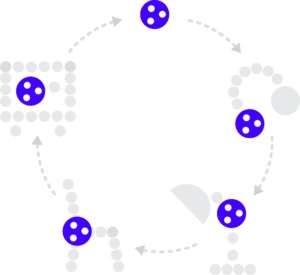

Many ore maybe ♾️ objects from just a couple of parts?
This is the Ikego experiment.
We use construction toy systems as a metaphor because they are simple and easy to understand, which enables creative expression and collaboration. The brick system perfected by the LEGO company or erector sets come to mind as examples.

… a wall, a door, ⟳ a face, pavement, ⟳ a flower pot, a bucket …
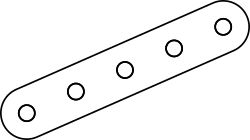
… a wall, a leg, a pillar, a chassis, a screen, a handle …
„There is no trash in a LEGO room.“ Neil Gershenfeld (MIT, Center for bits and atoms), source
✼
How to create them? Here is one possible way:
▷ 1 Start with the object you want to build. Create a useful solution. And make sure your parts work for it.
Experiments with the Ikego system go back quite a while. In the beginning, we tried to create multipurpose parts first – we guessed – and then tried to build objects with them. That approach failed. The parts weren’t useful, the objects didn’t work. We only made progress once we flipped the process—starting with the objects and deriving the parts from them. For us, starting with the parts simply didn’t work. While this may not be a strict rule for everyone, it’s a perspective maybe worth considering.
↓
▷ 2 Find at least two alternate use cases for each part used. If you can’t find any, redesign the part until you can, and go back to step 1 ↑.
There is a famous story from the LEGO design department. When designer Mike Psiaki was tasked with designing the Porsche model (10295), he struggled to perfectly capture the curve at the rear end using existing LEGO parts. The element designer Yoel Mazur suggested introducing a new part into the catalog specifically for this purpose. However, Mike Psiaki was determined to find a solution using existing pieces. Despite this, the element designer created a new part anyway, which indeed solved the problem perfectly. Subsequently, all designers in the department were given time to play with this new part to see if there were any good ‘nice part usages’ (alternative applications) for it. At LEGO, before a new piece is approved for production, it has to demonstrate its ‘system-wide’ value, ensuring it isn’t just a specialized solution for one specific car. They tested if it is truly a multipurpose part. The result was a clear yes! Following this test, the part made it into the system. Today, there are indeed many applications for it.
✼
When you introduce new parts and perhaps new ways to connect them, try to find solutions that open new lanes for the overall flexibility of the system. Ideally you find something that works well in combination with existing parts. Tolerance is key. If something requires specific diameters or dimensions that cannot be replicated with hand tools, it is a slight disadvantage. However, this is not a dealbreaker. In such cases, try to use solutions that already exist on the market and are widely used → Hack Into Existing Systems! Ideally, these are common, easily accessible, standardized, well-documented, and already open (with expired patents). – Ikego is not about reinventing the wheel. It’s about finding wheels that fit.
–
That’s it!
Btw. if you want to learn more, we also shared a white paper about design with multipurpose parts.
🌱
inspiration for “Heritage & Hacks”




Beginnings
in “Heritage & Hacks”
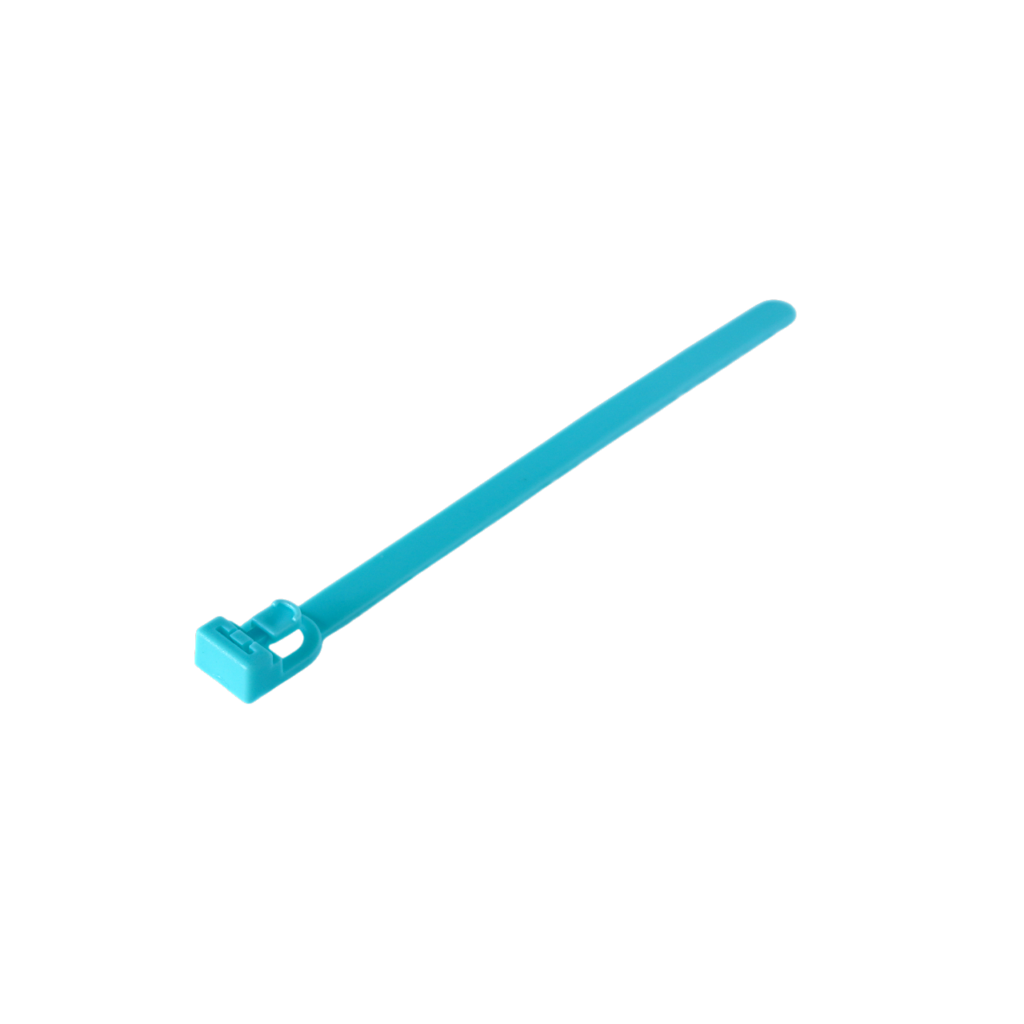
035.1 – Reusable cable tie 150mm
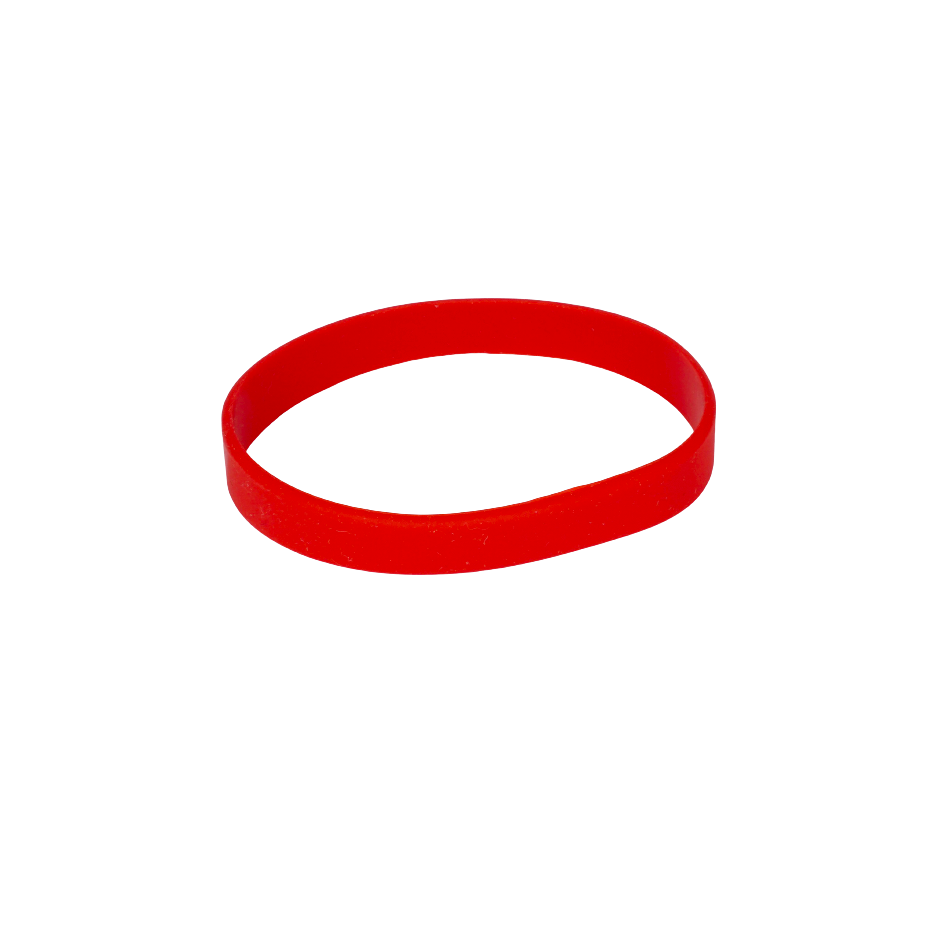
027.1 – Rubber band ring ~150mm
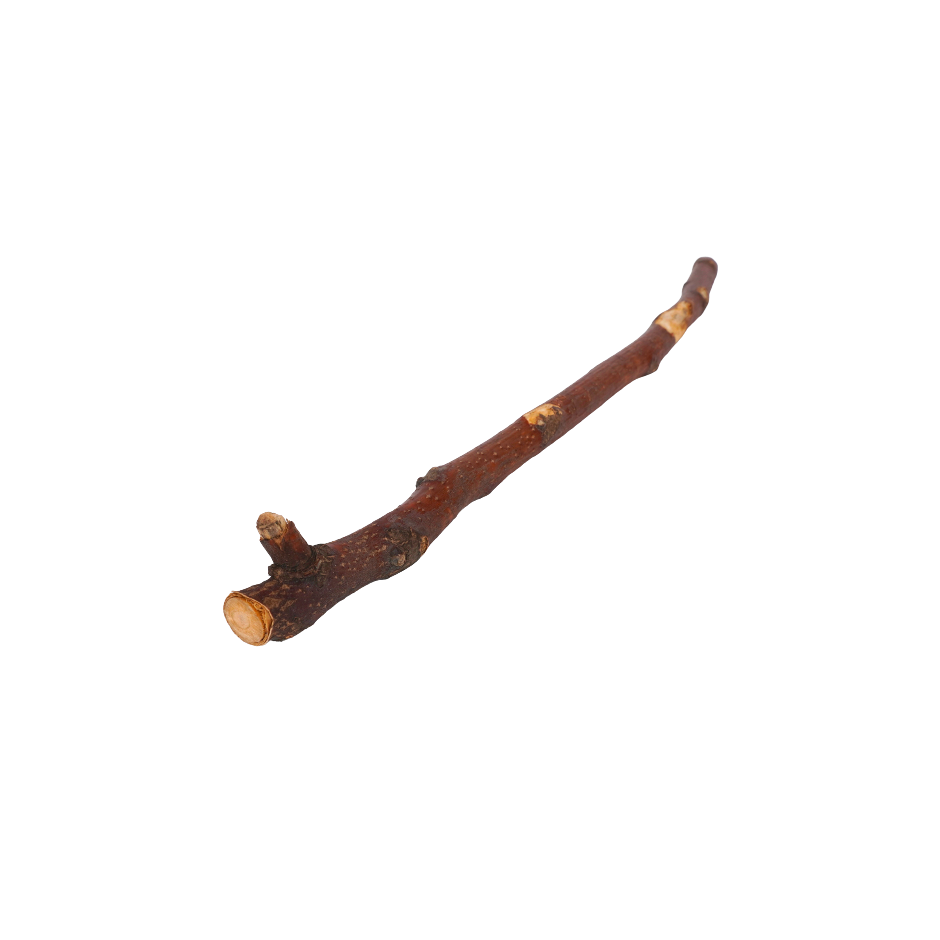
026.1 – Branch
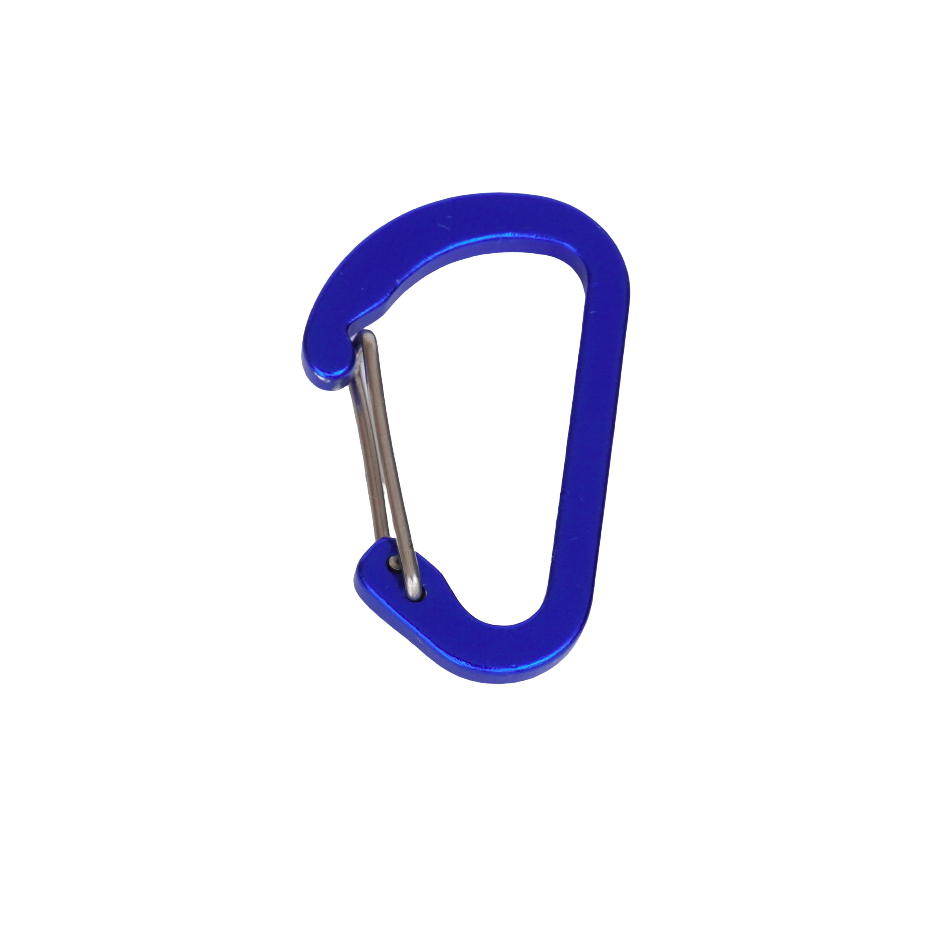
039.1 – Carabiner 40mm
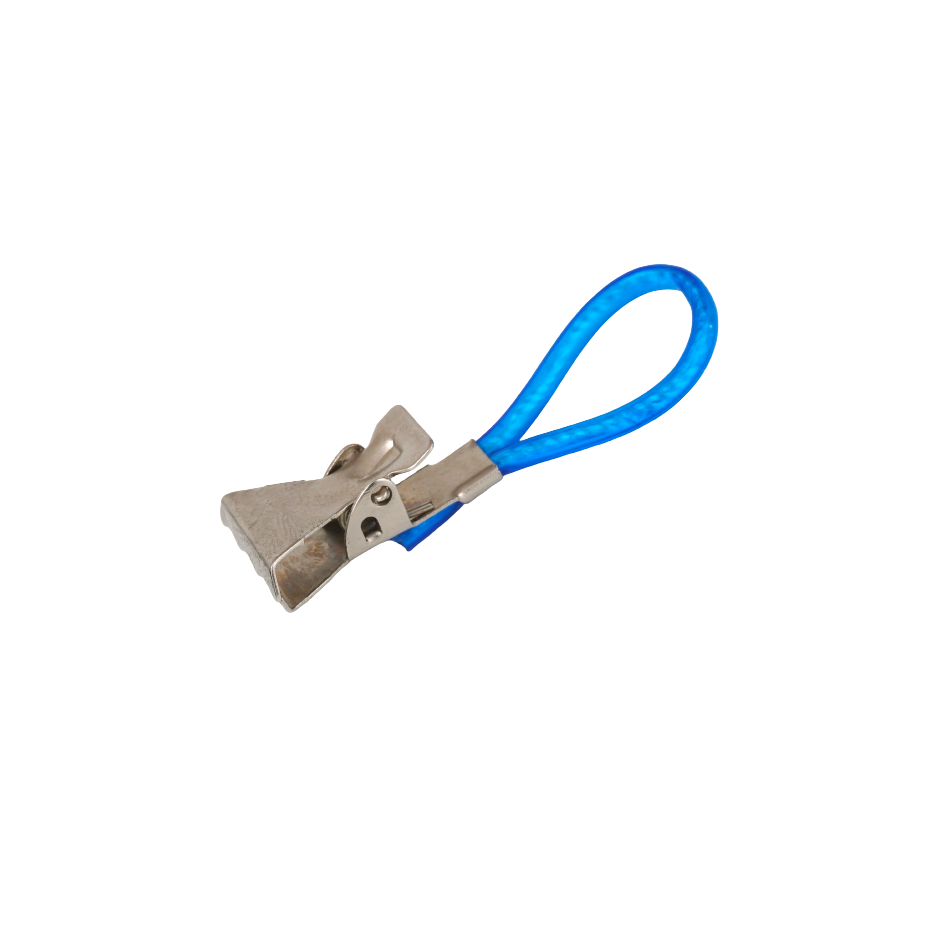
023.1 – Loop clip

018.1 – String 2000-2500mm
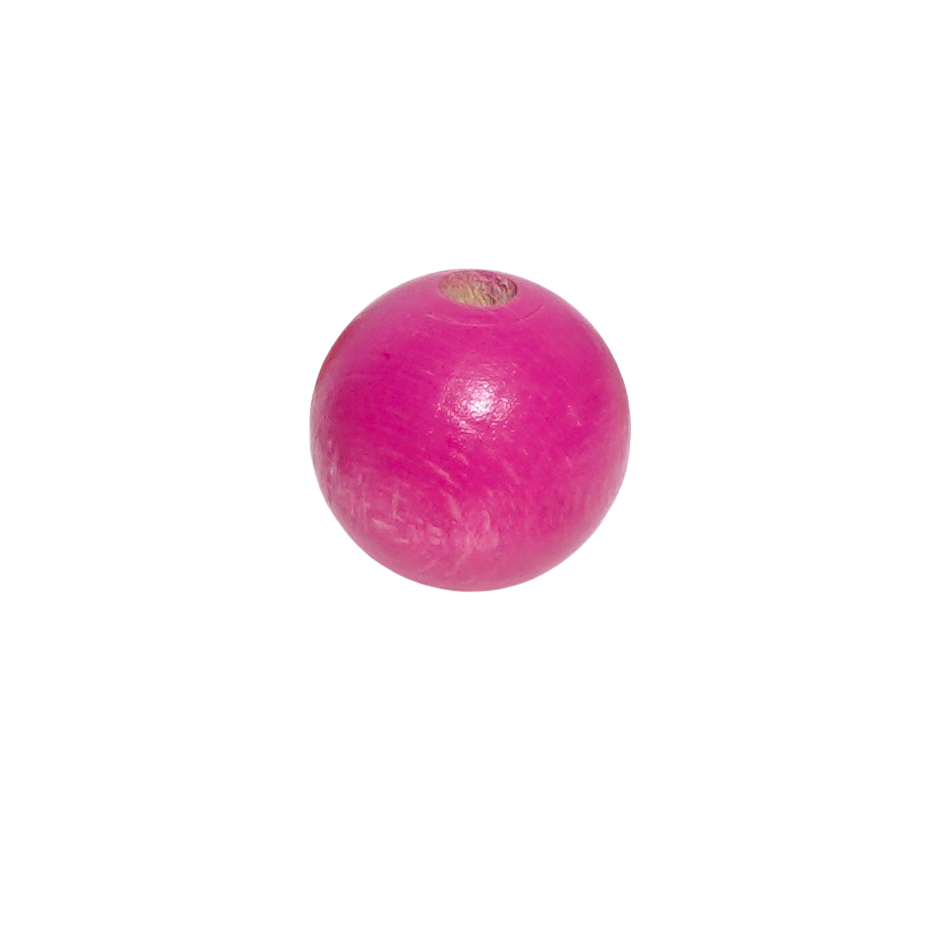
101.1 – Bead ⌀ ~16mm, ⌀ 4mm hole
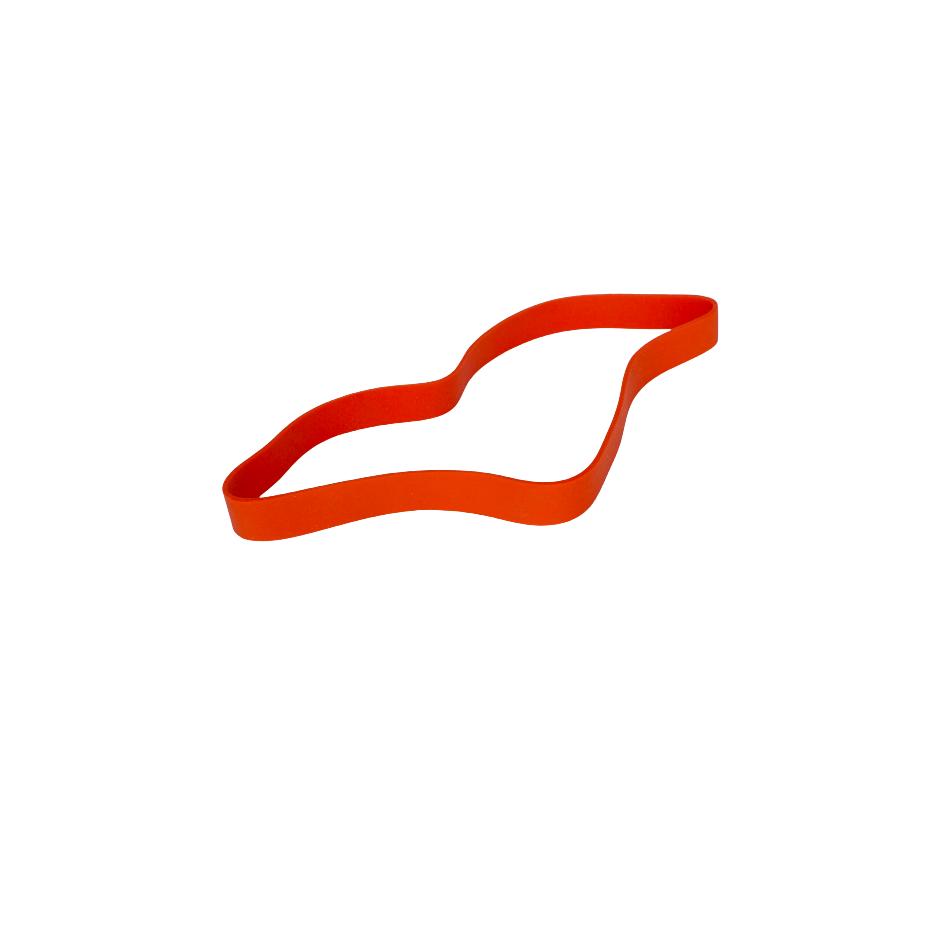
055.1 – Rubber band 300mm
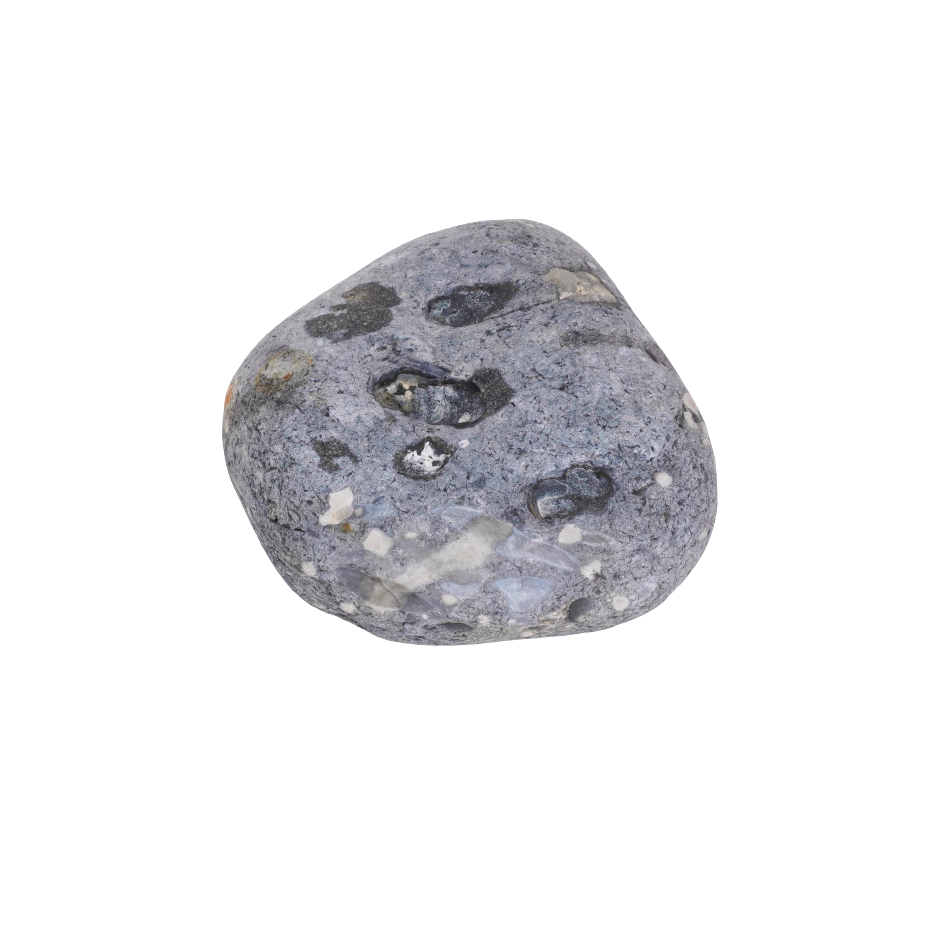
007.1 – Rock, large fist size
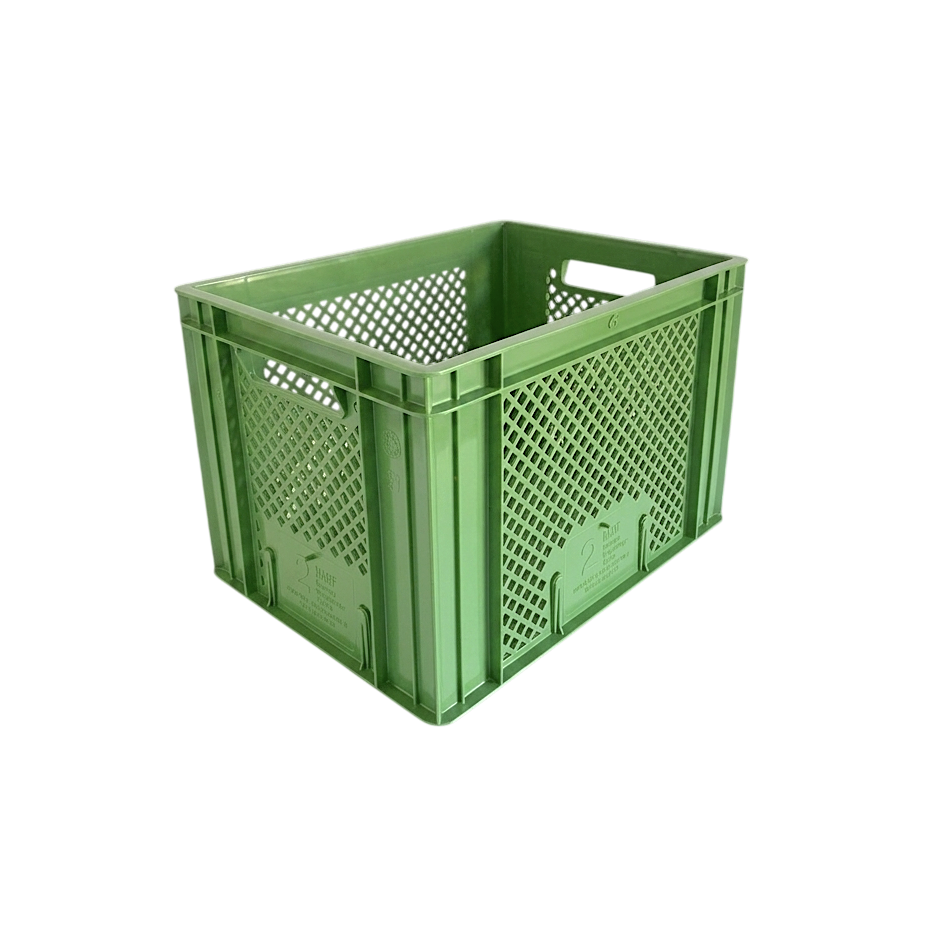
100.1 – Eurobox 400x300x270 mm
See Sets → | See all Parts →