
Build this set
Parts appearing in this set
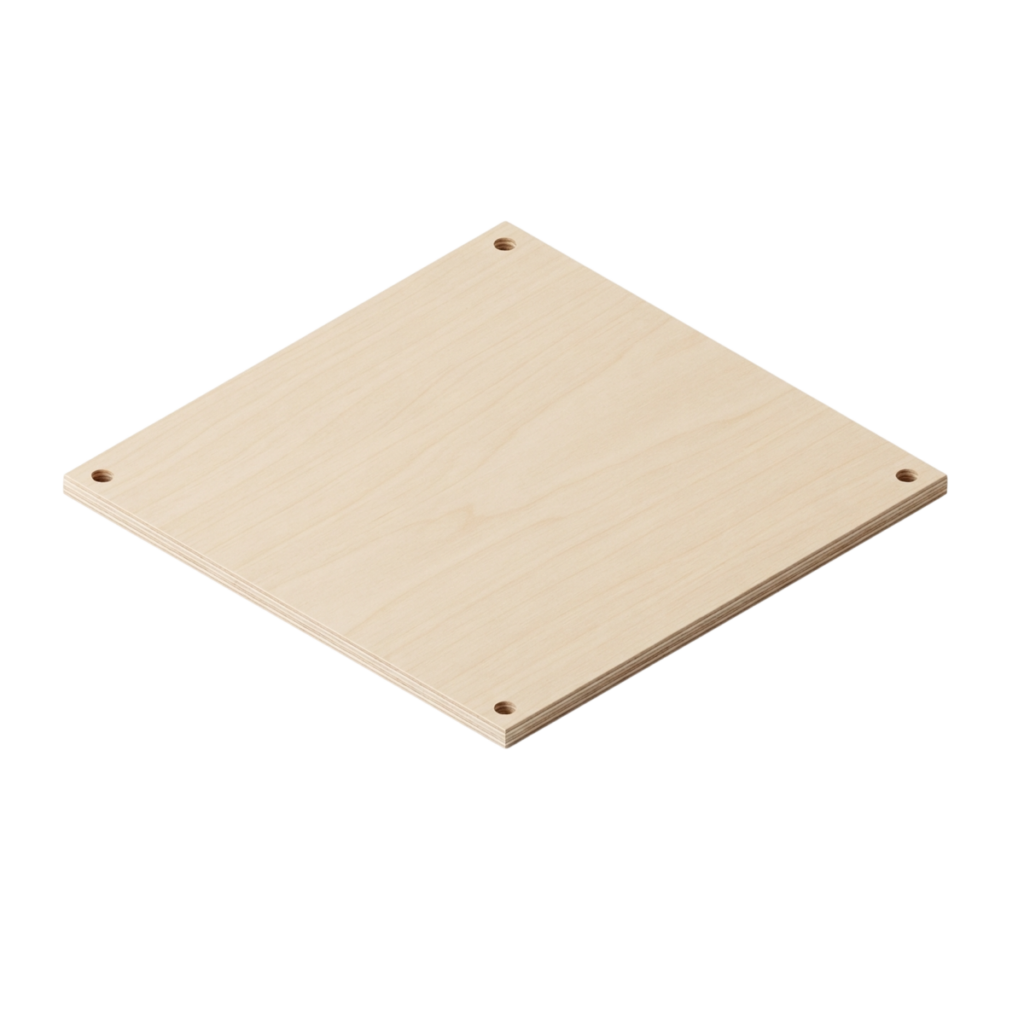
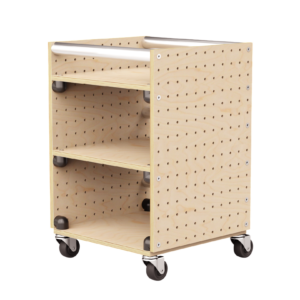
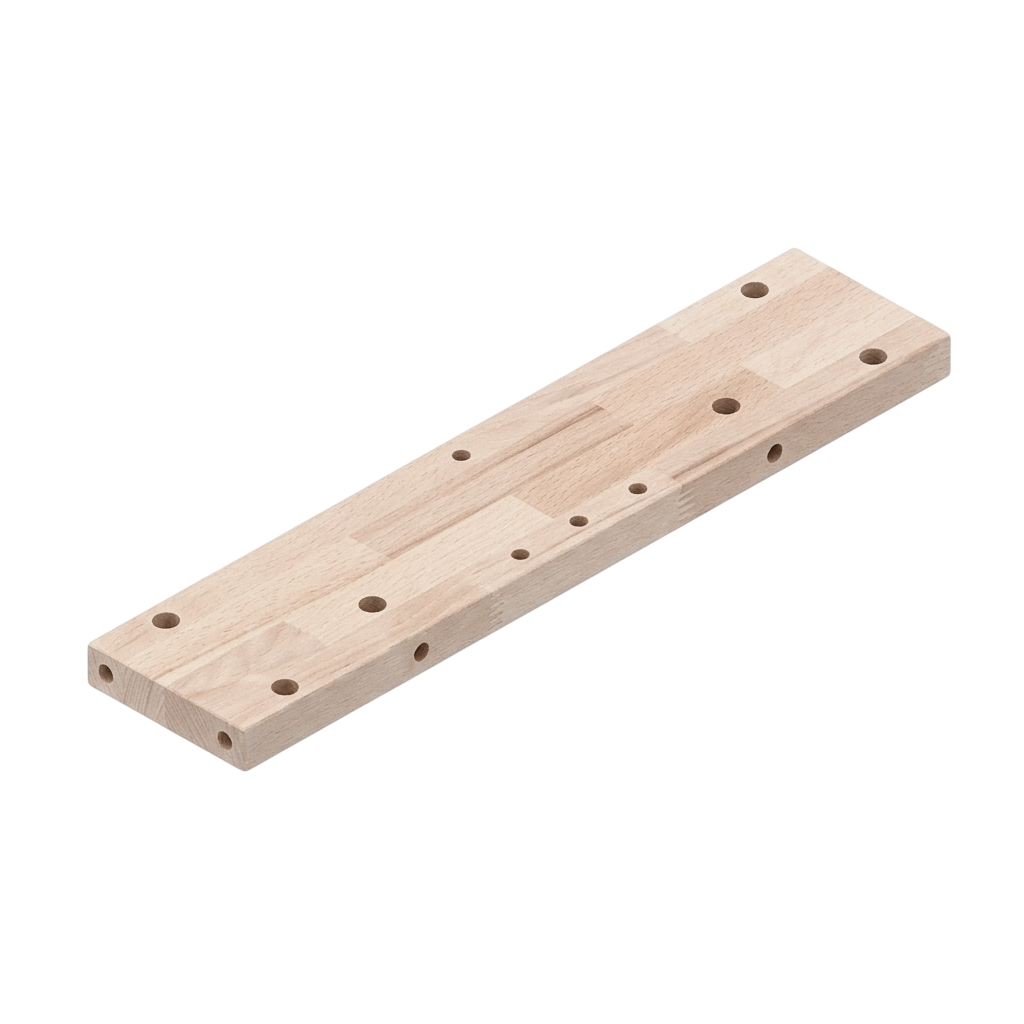
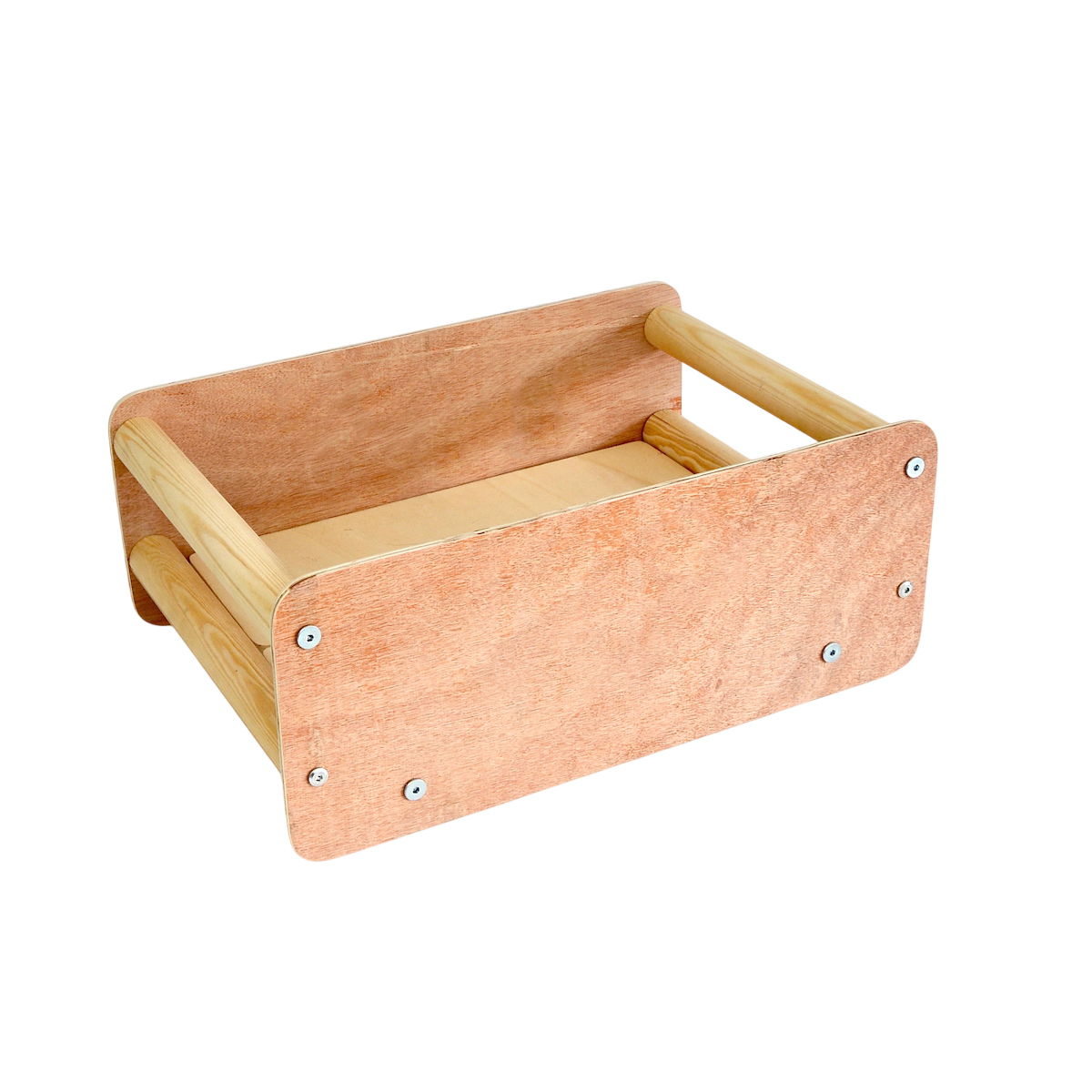
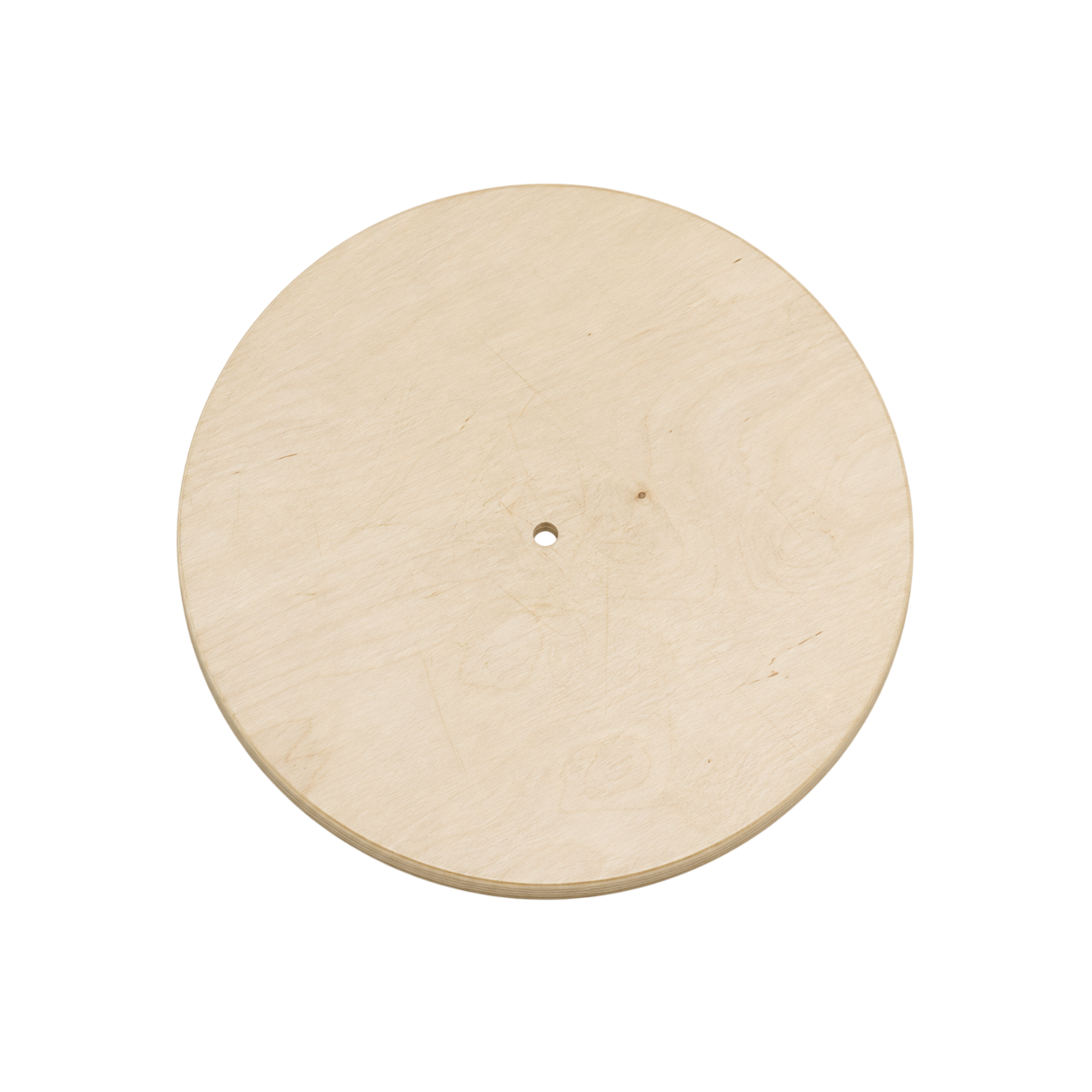
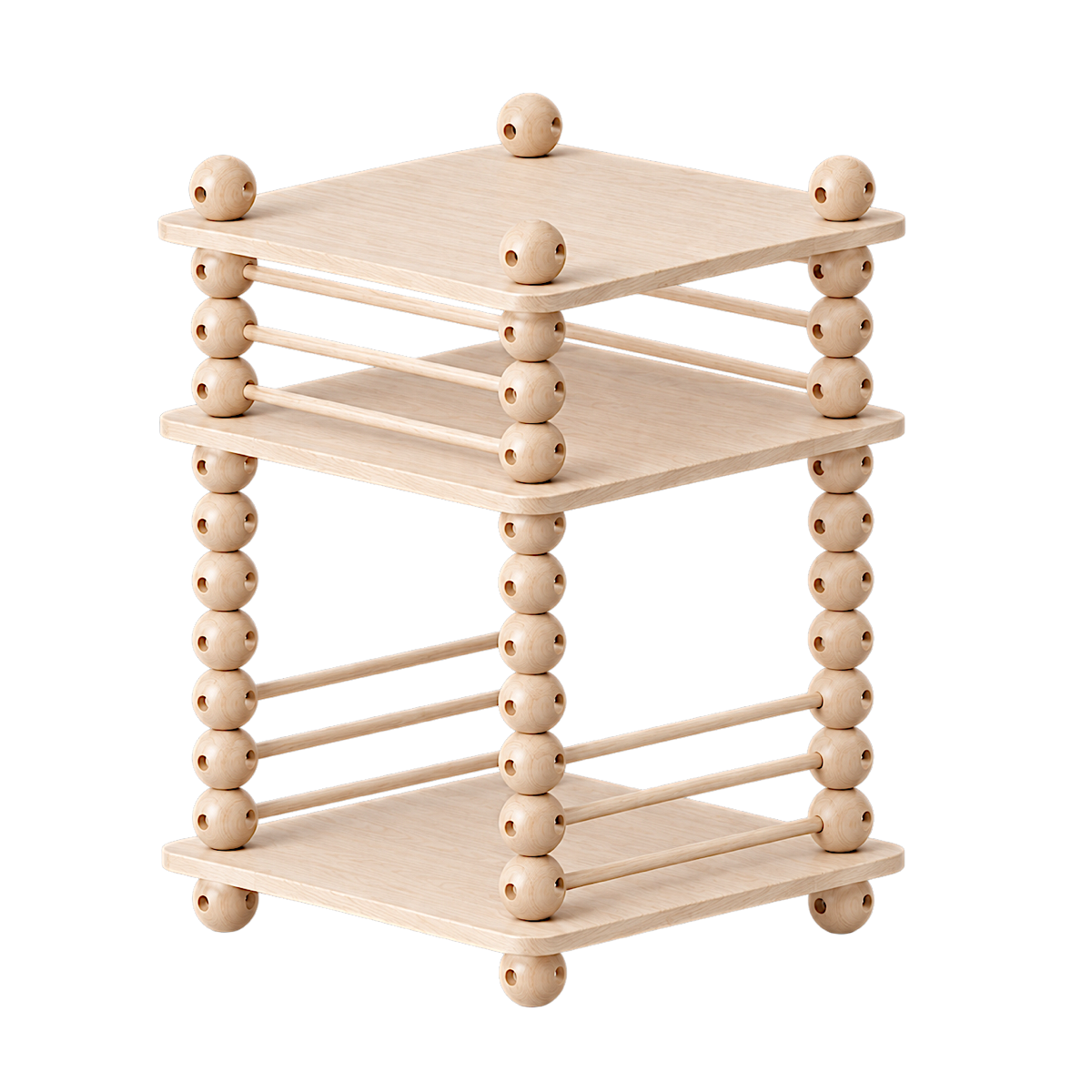
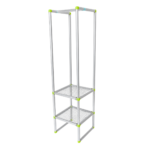
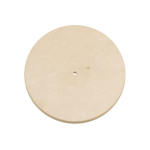
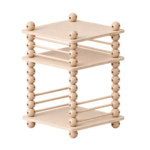
142.6 – Board 330x330mm, ⌀10mm holes
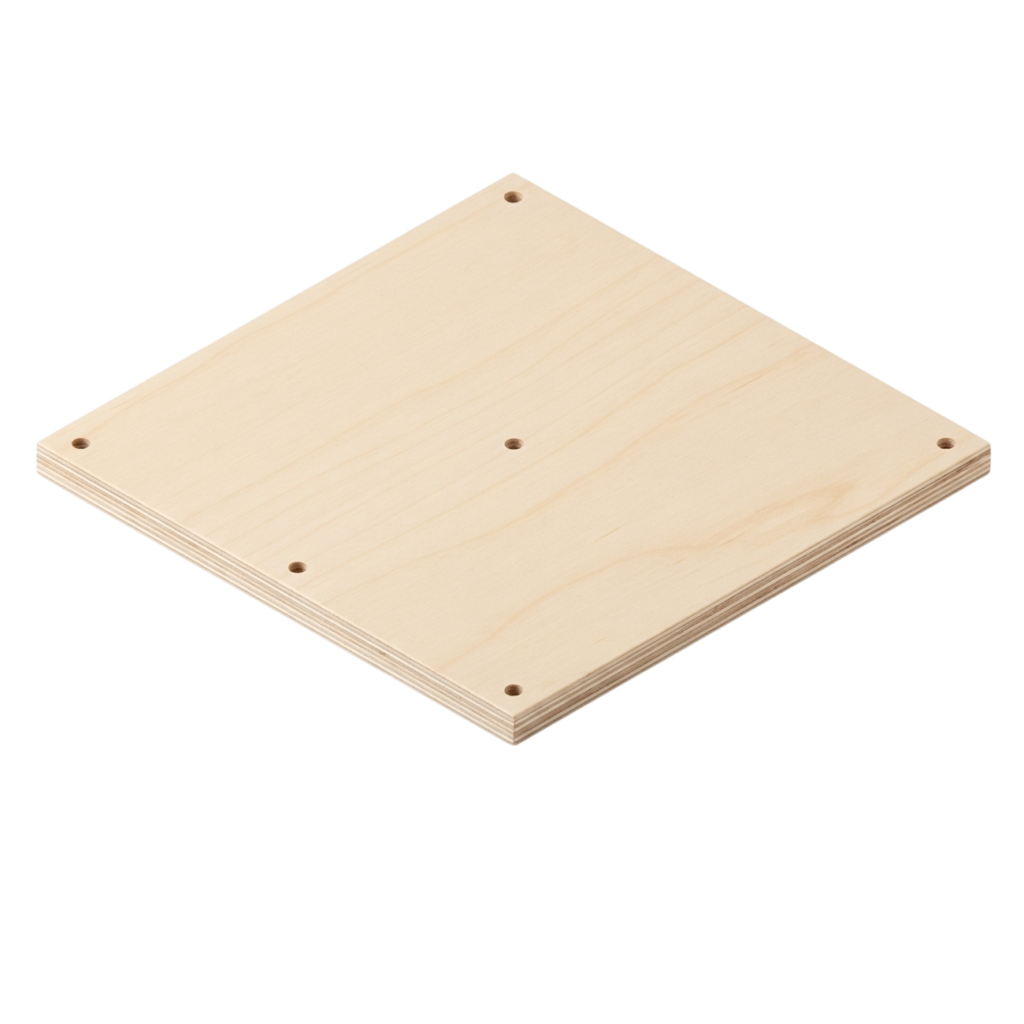
142.4 – Board 330x330mm, ⌀6mm holes
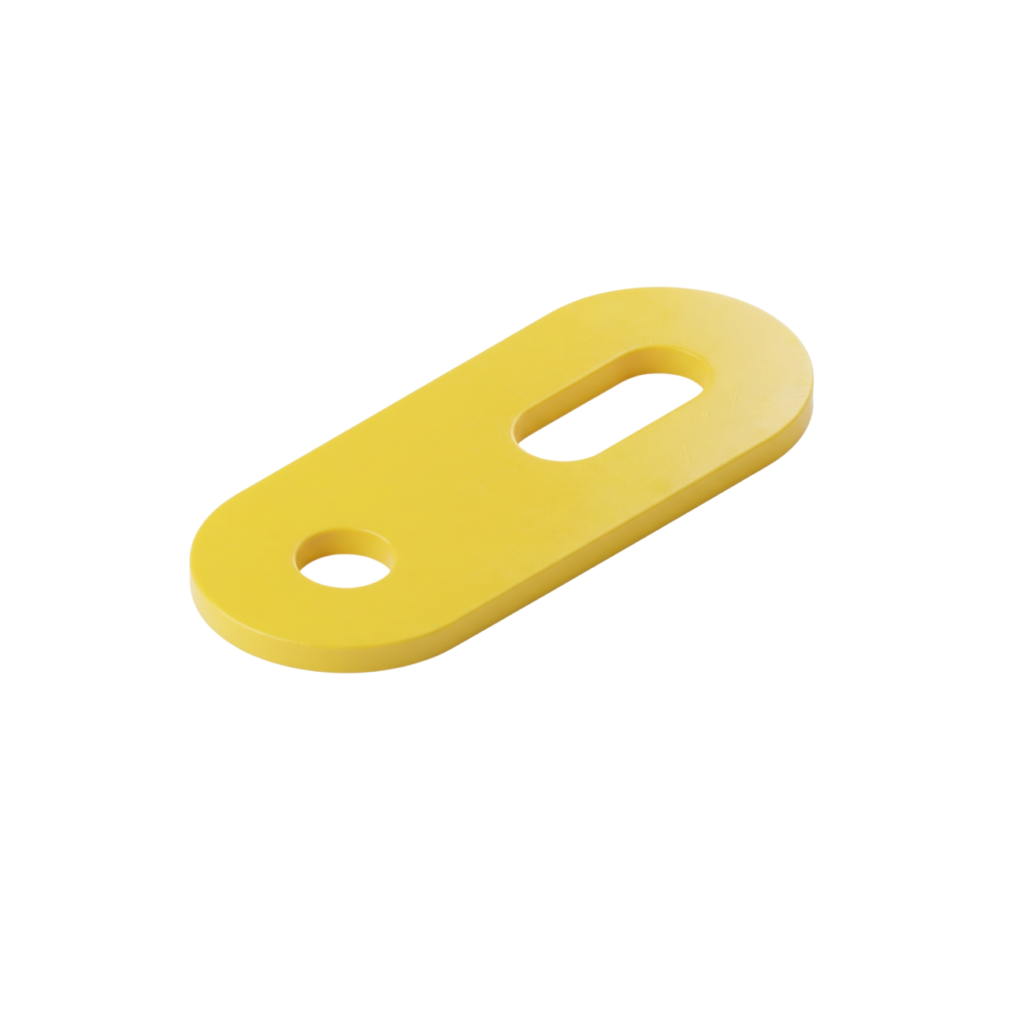
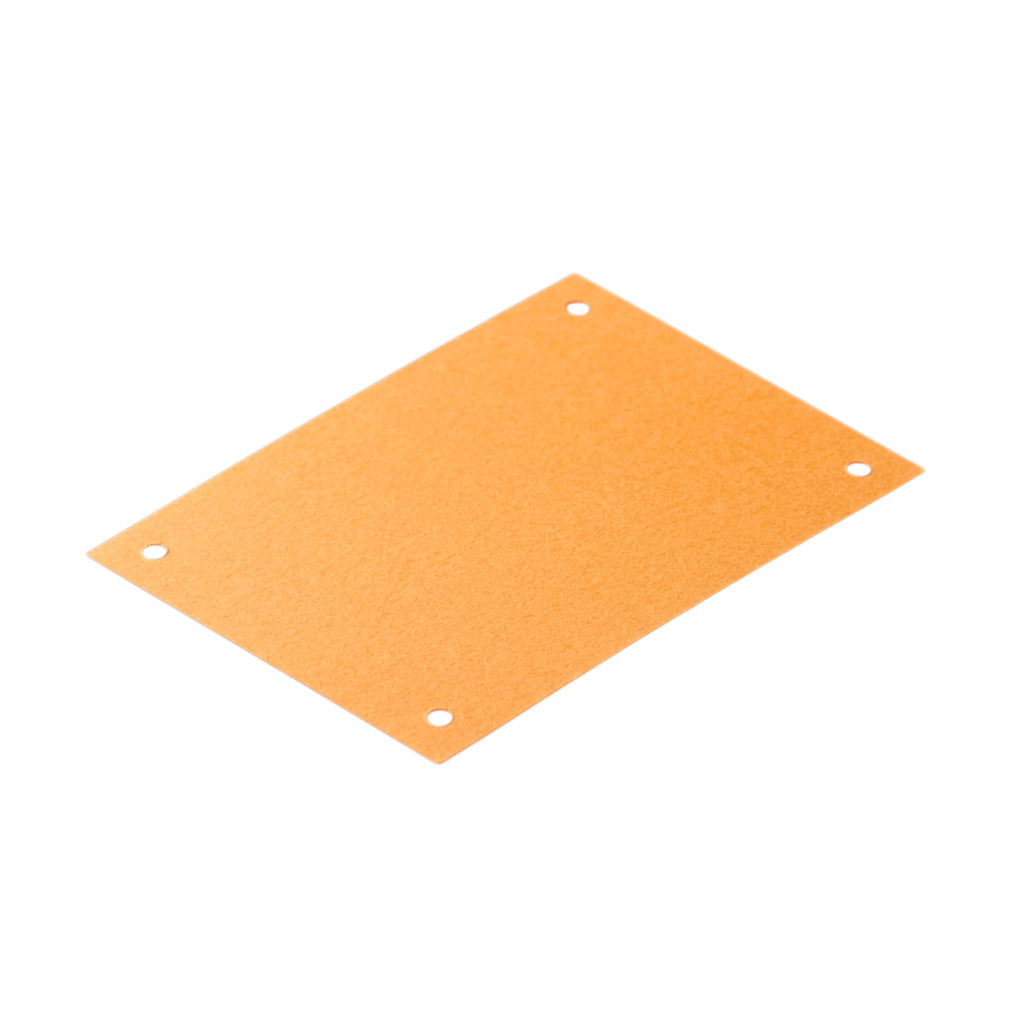
141.1 – Rail ~73x30x2mm
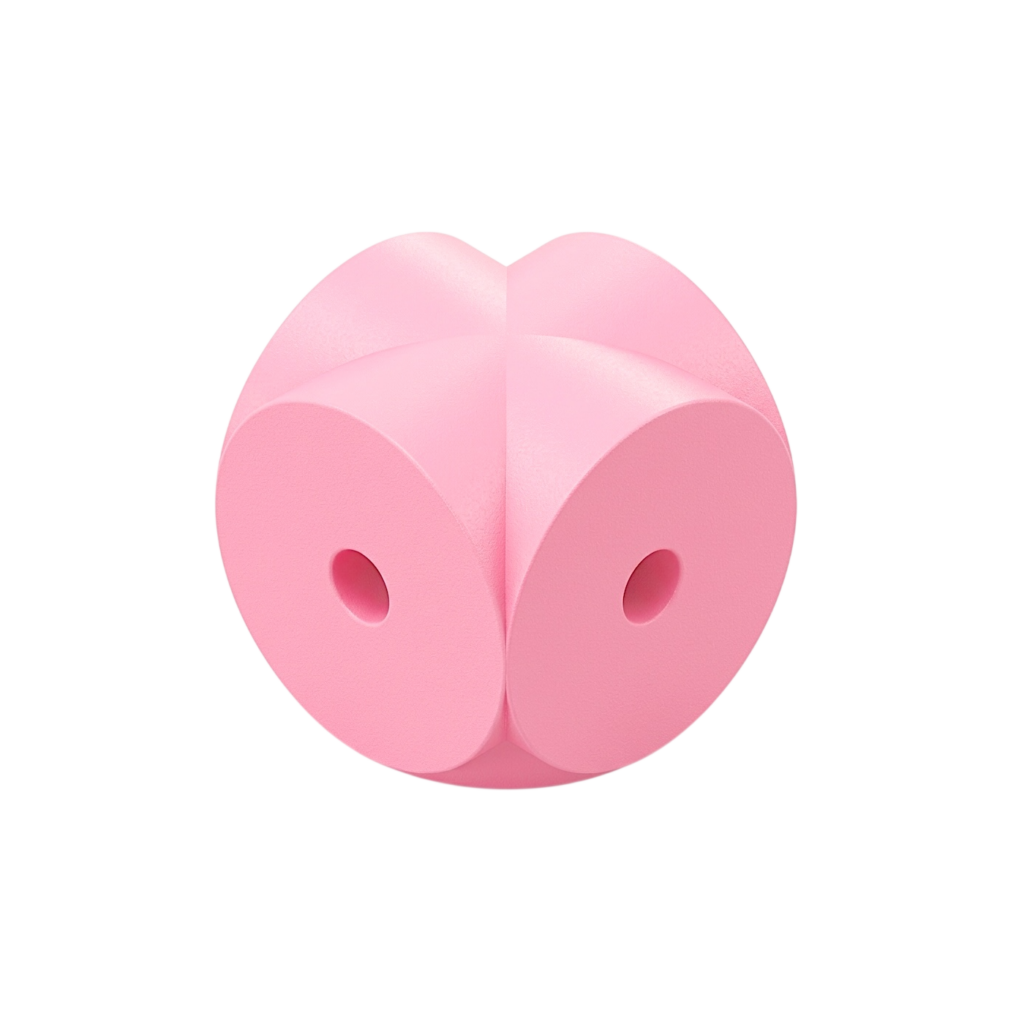
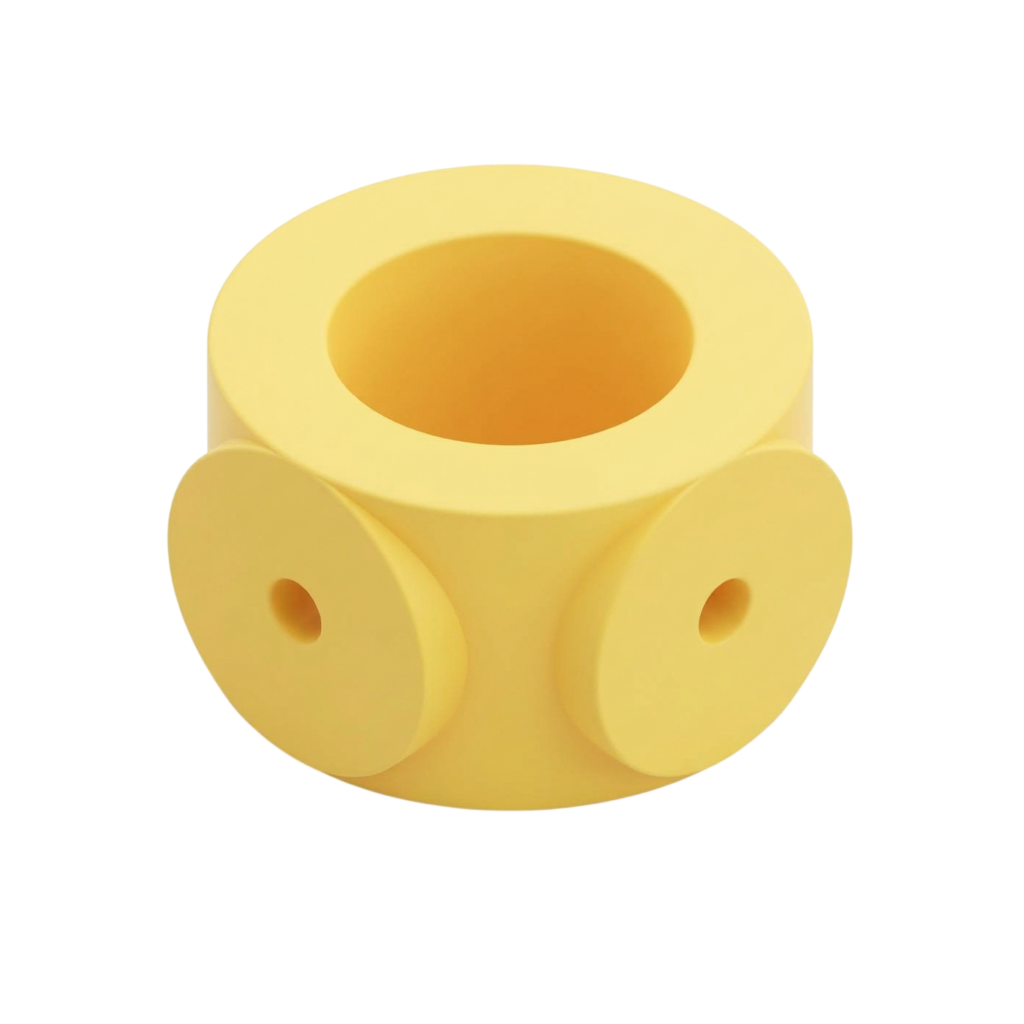
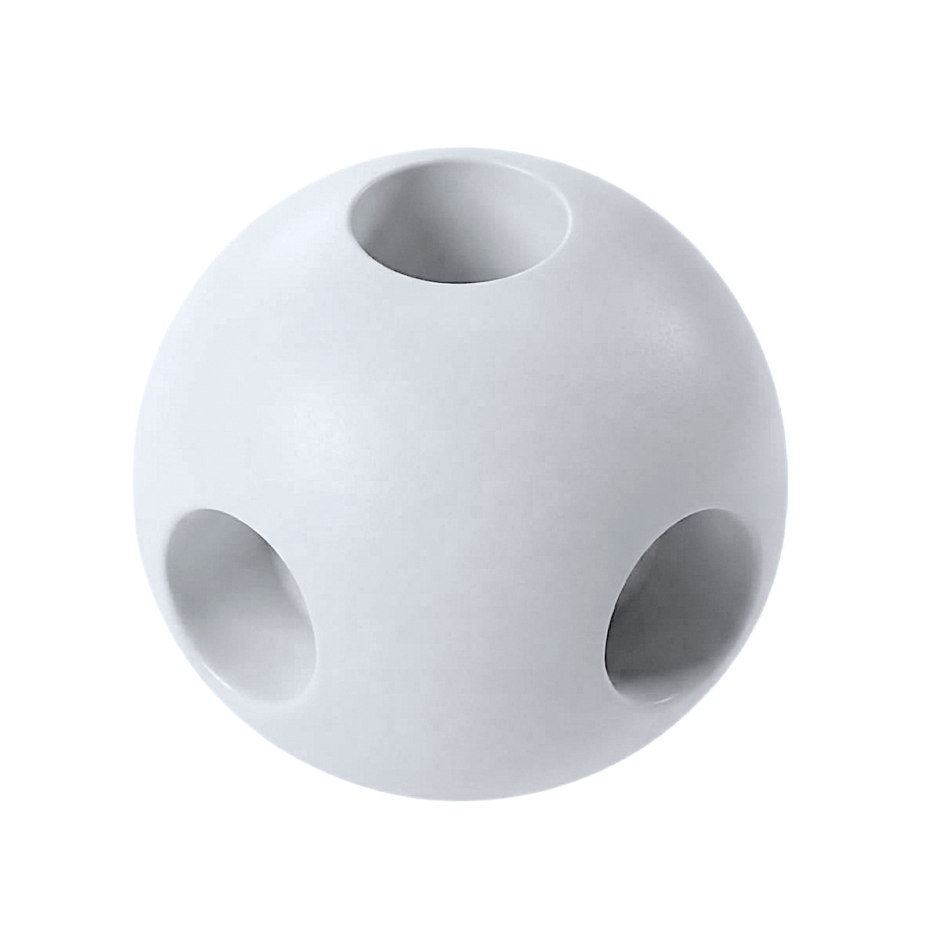
135.1 – 5 corner bracket Round
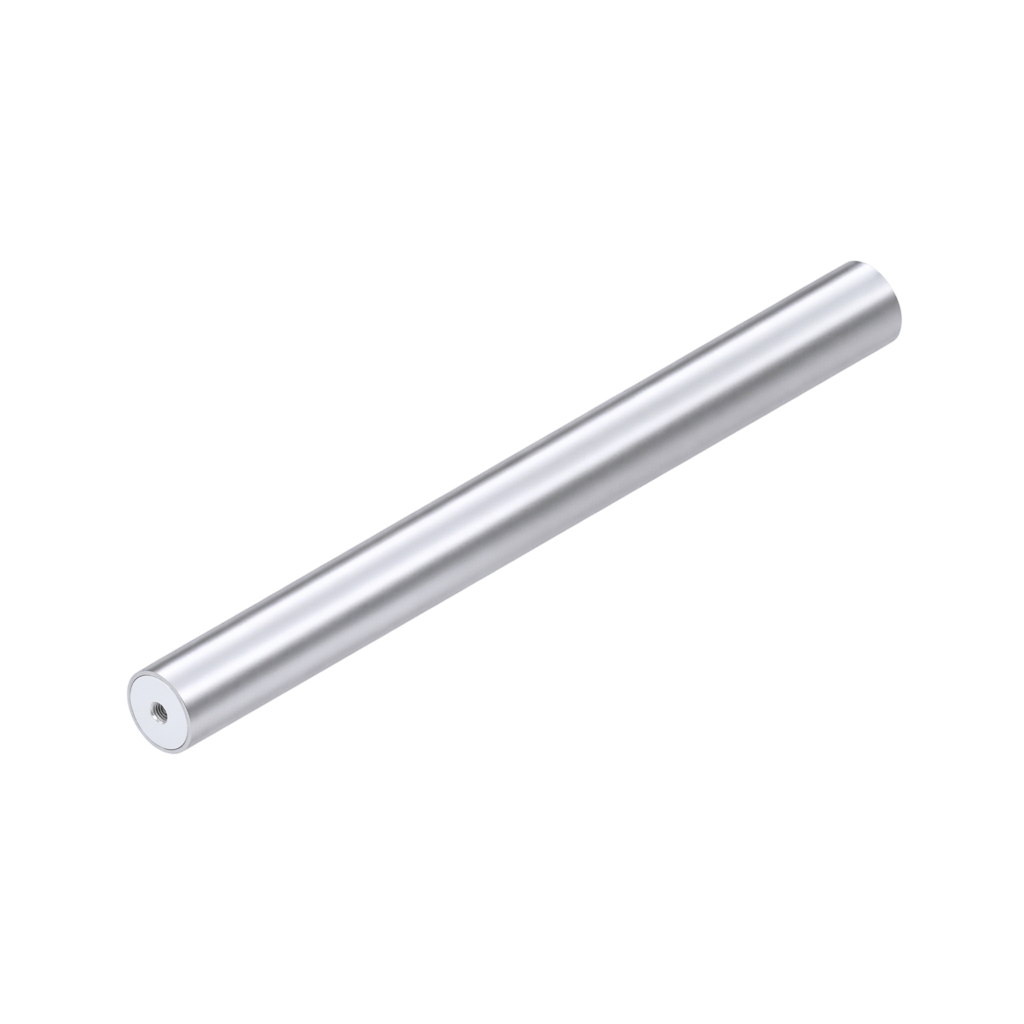
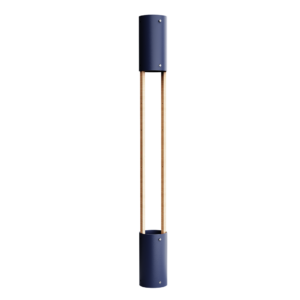
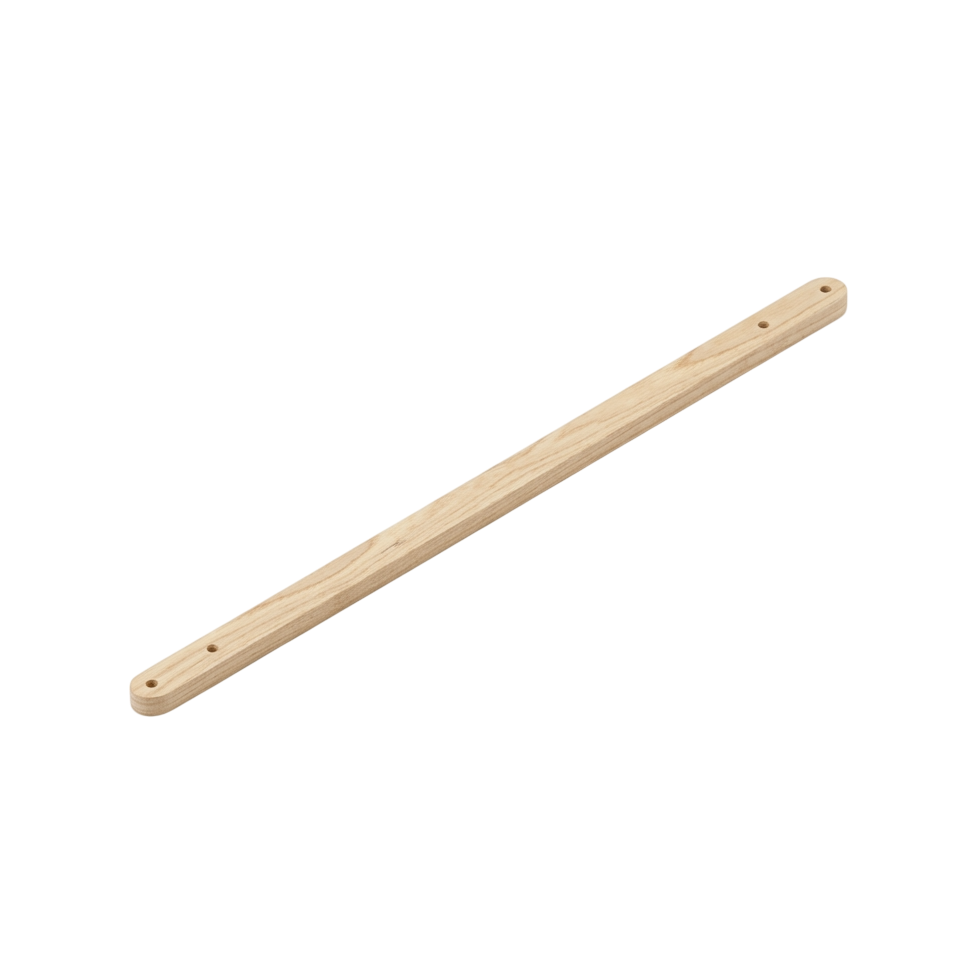
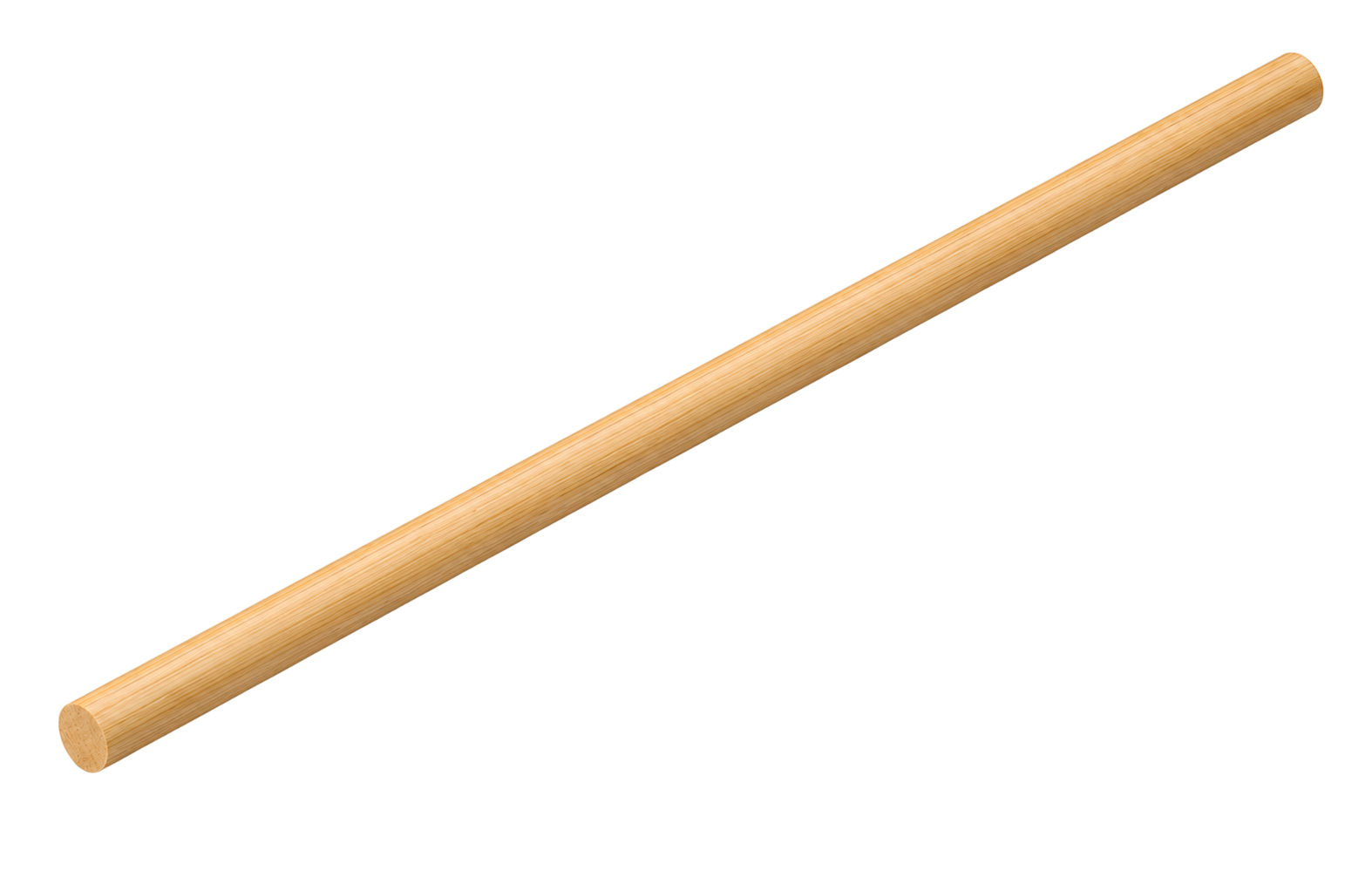
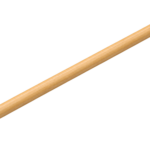
095.6 – 330mm rod with M6 insert threads, ⌀ ~30mm, “elephant rod”
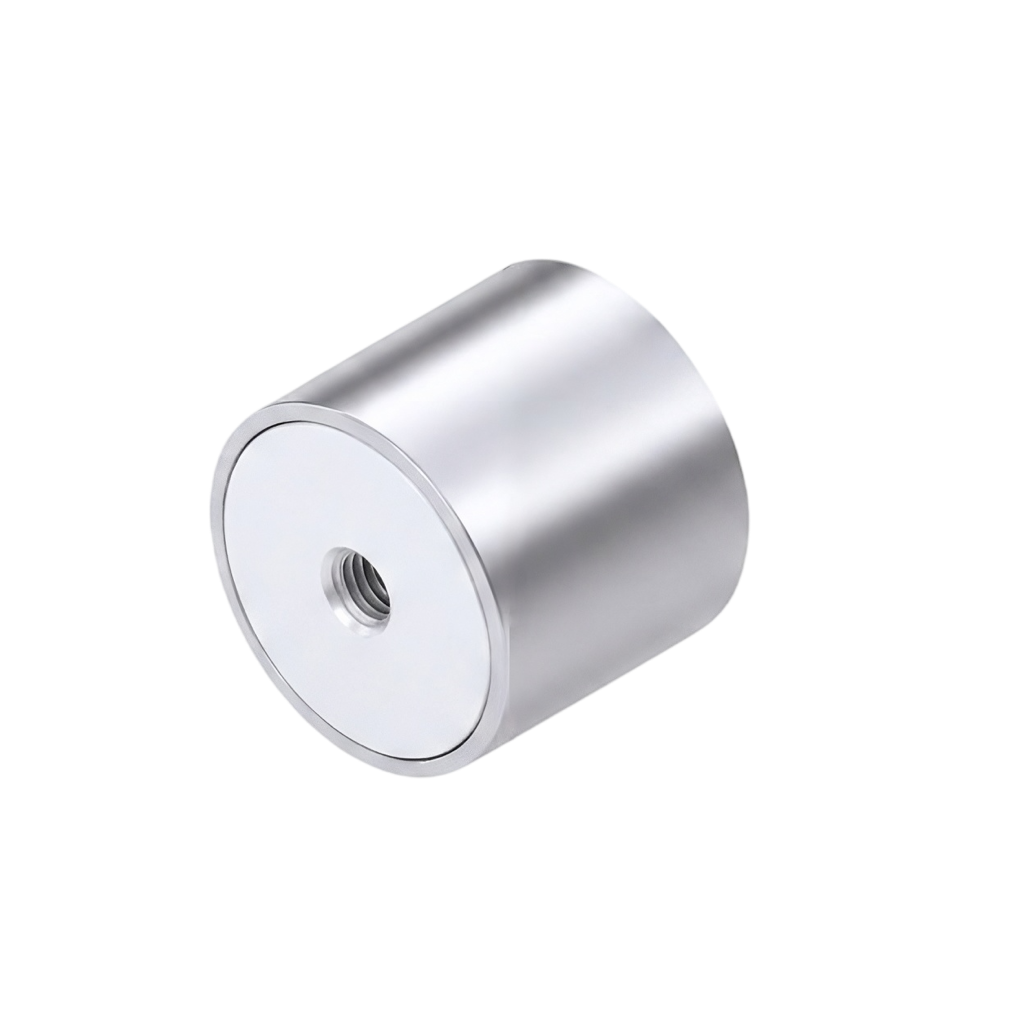
095.1 – 30mm rod M6 insert, ⌀ ~30mm, “elephant rod”
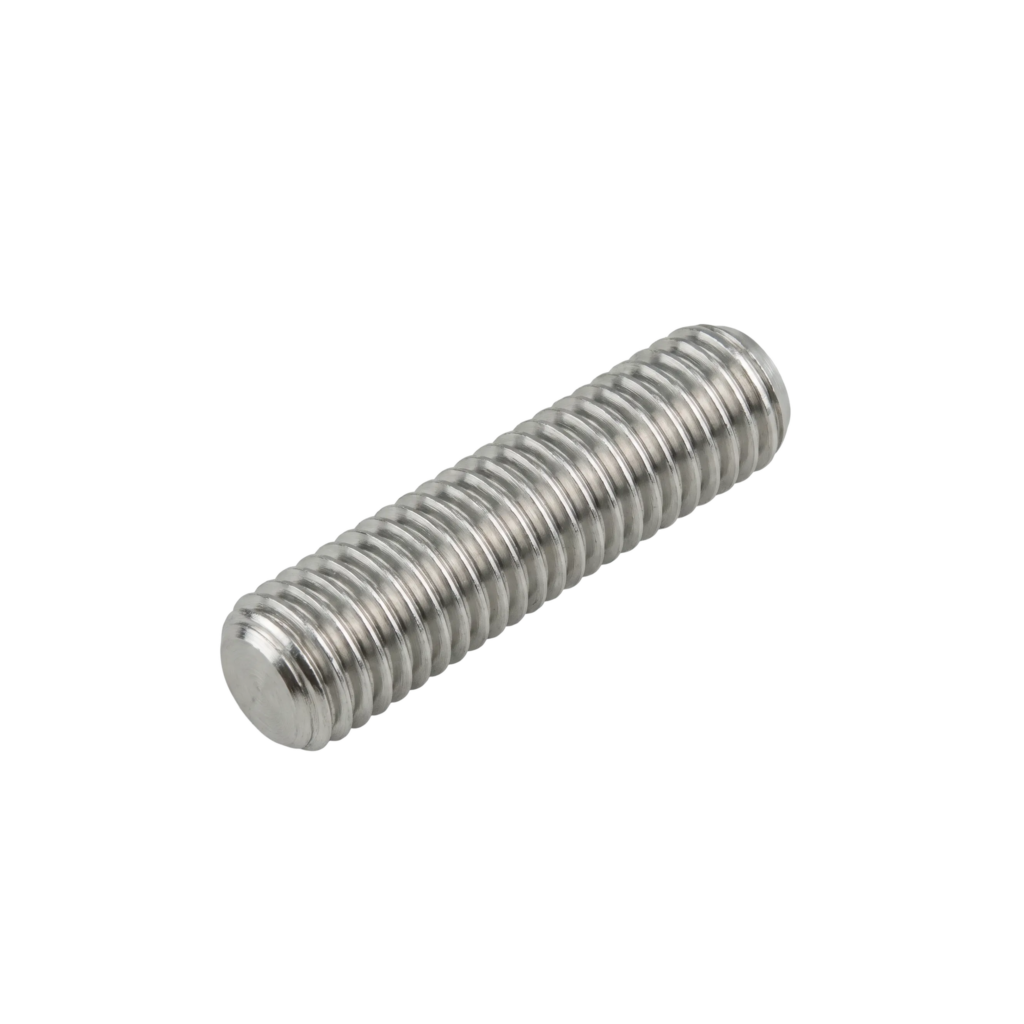
094.4 – M6 threaded rod 30mm
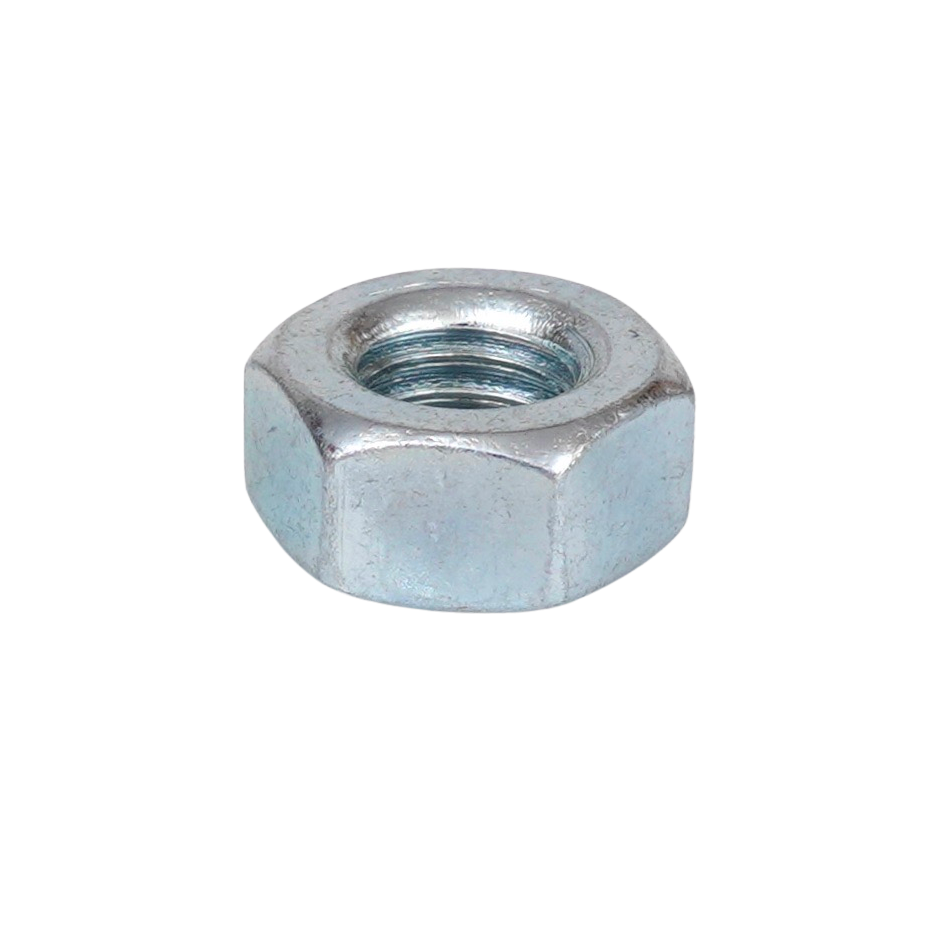
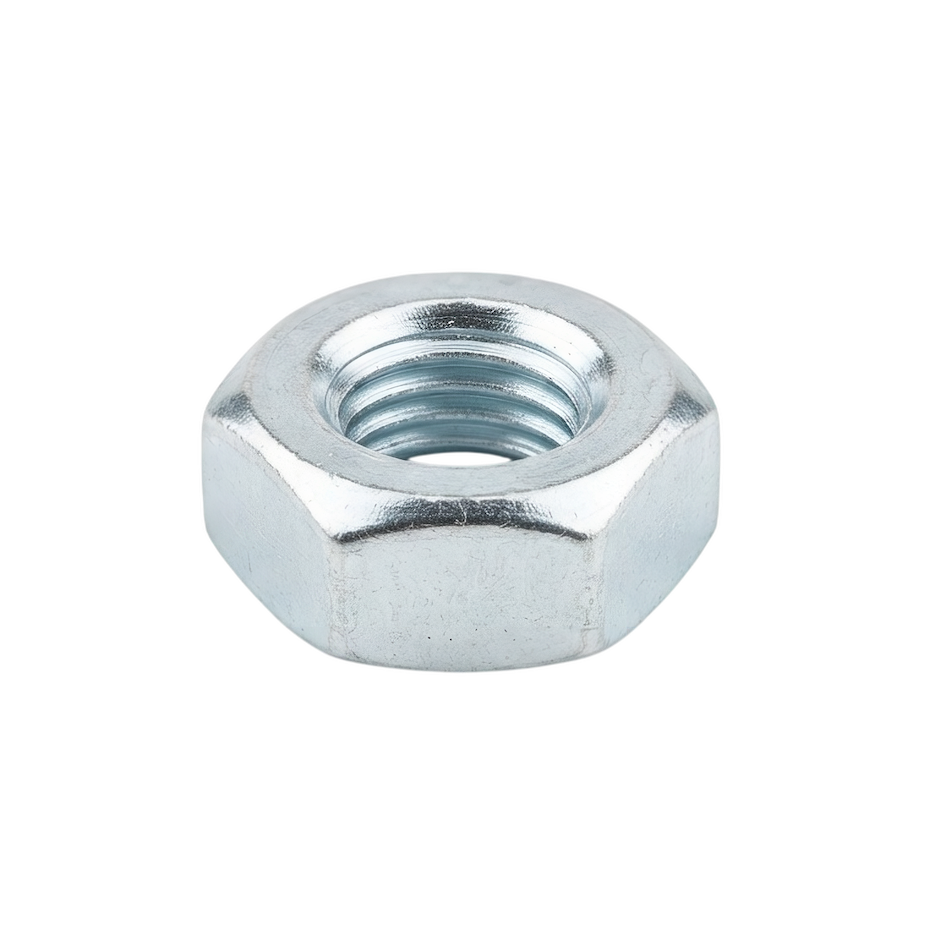
089.1 – M6 nut
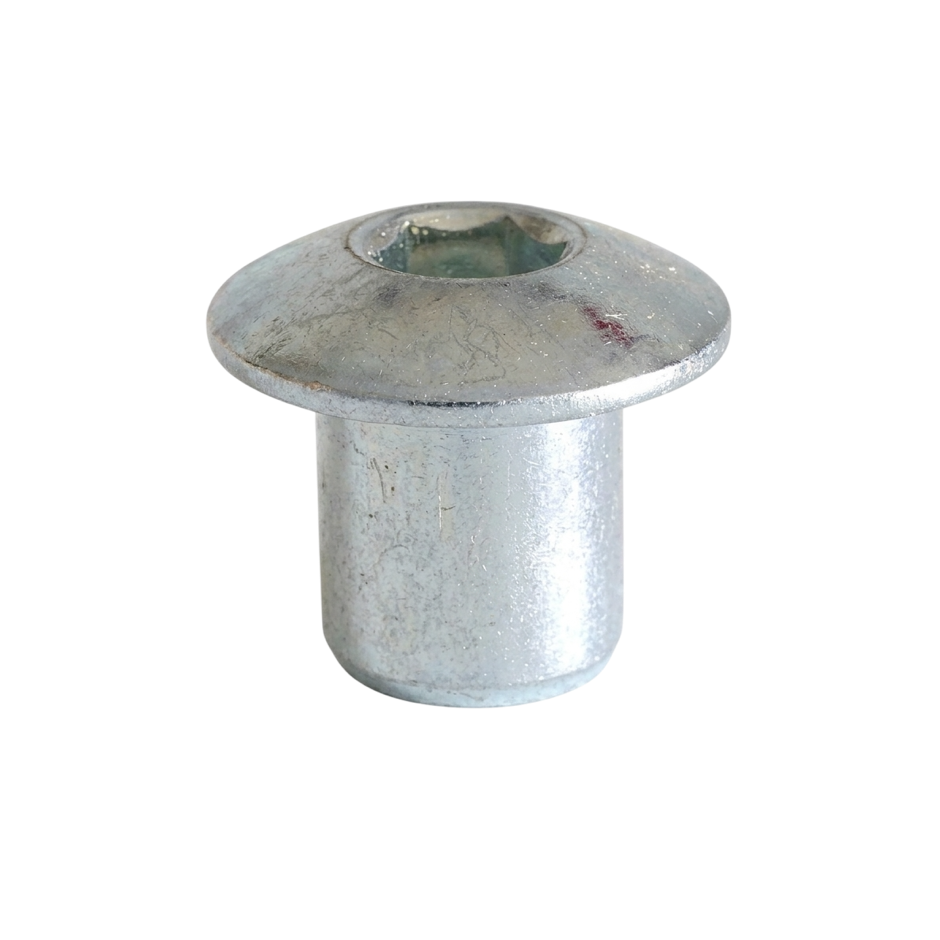
088.2 – M6 sleeve nut ~16mm
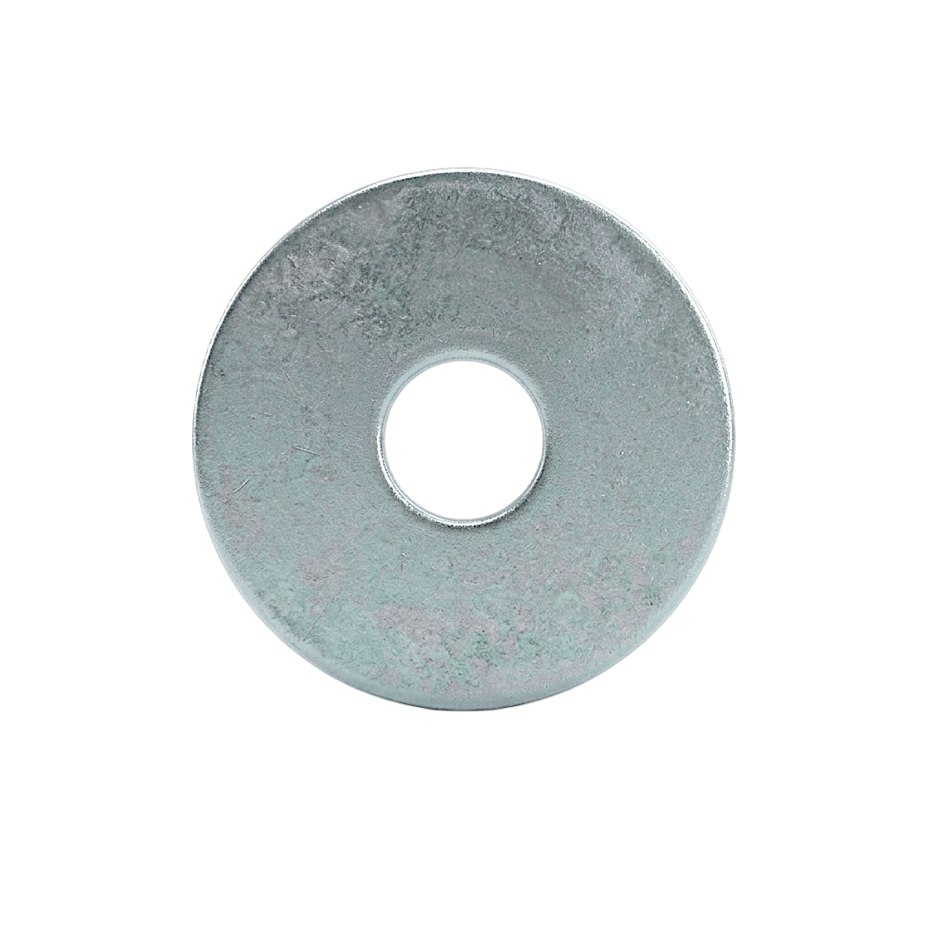
087.1 – M6 washer 20mm

082.1 – M6 bolt 50mm

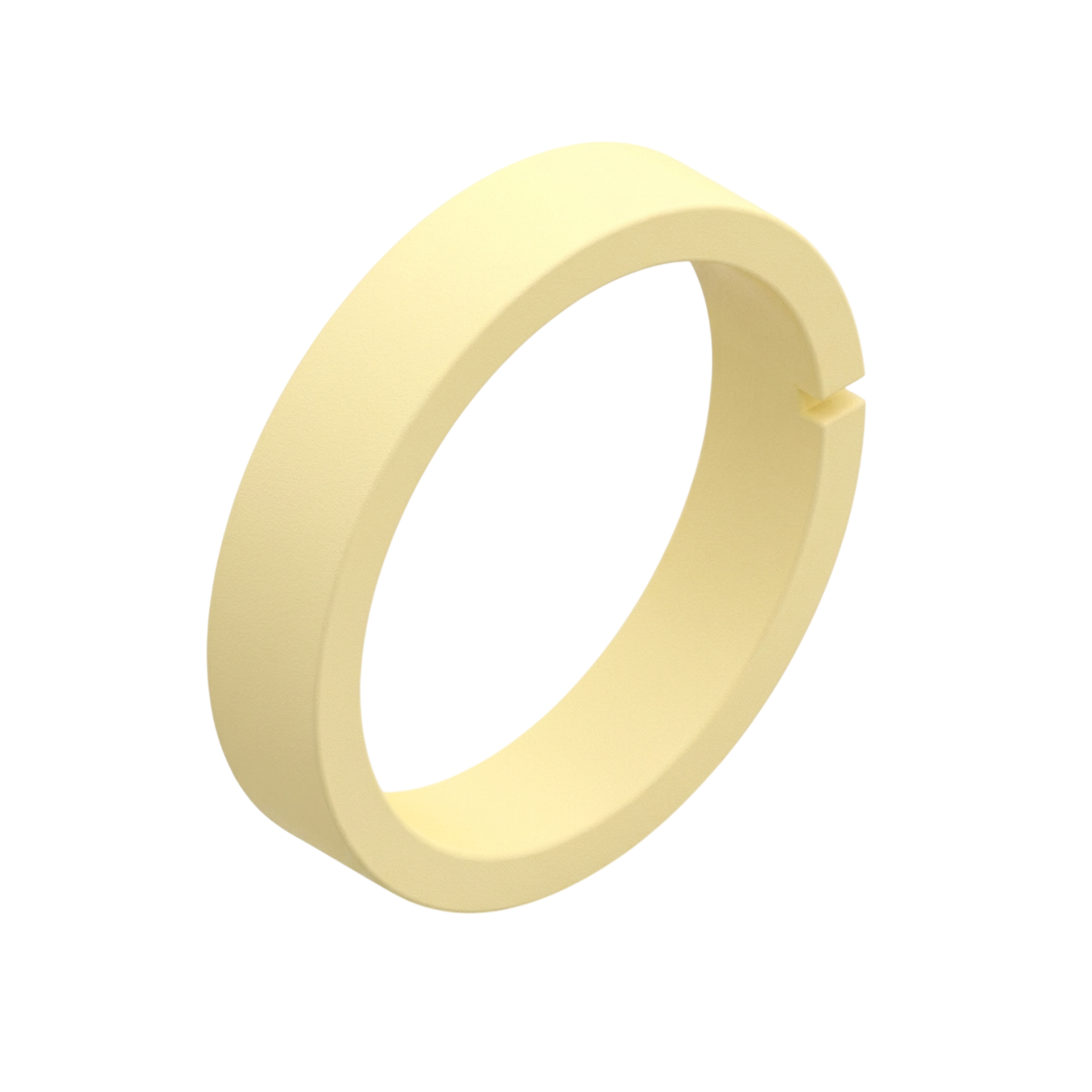
072.1 – Spacer ~15mm high
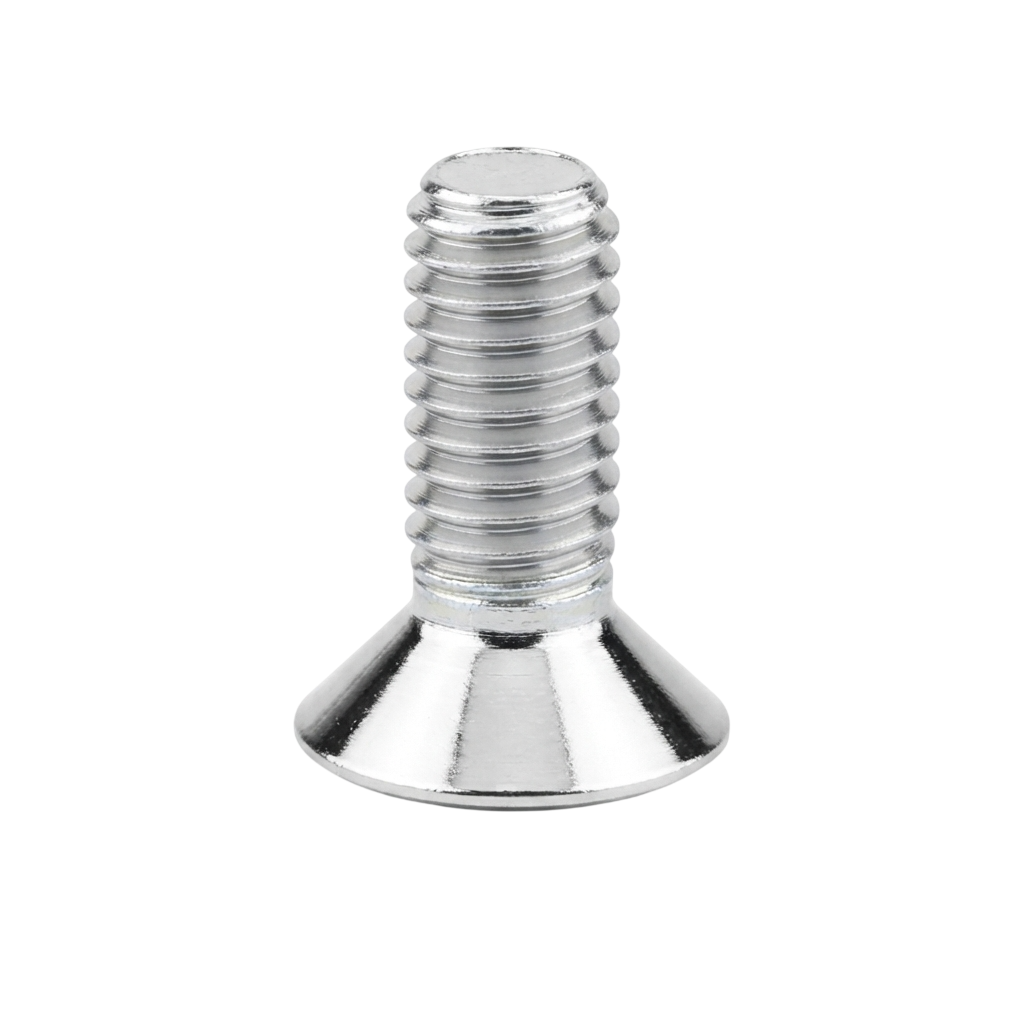
030.2 – M6 bolt 15mm
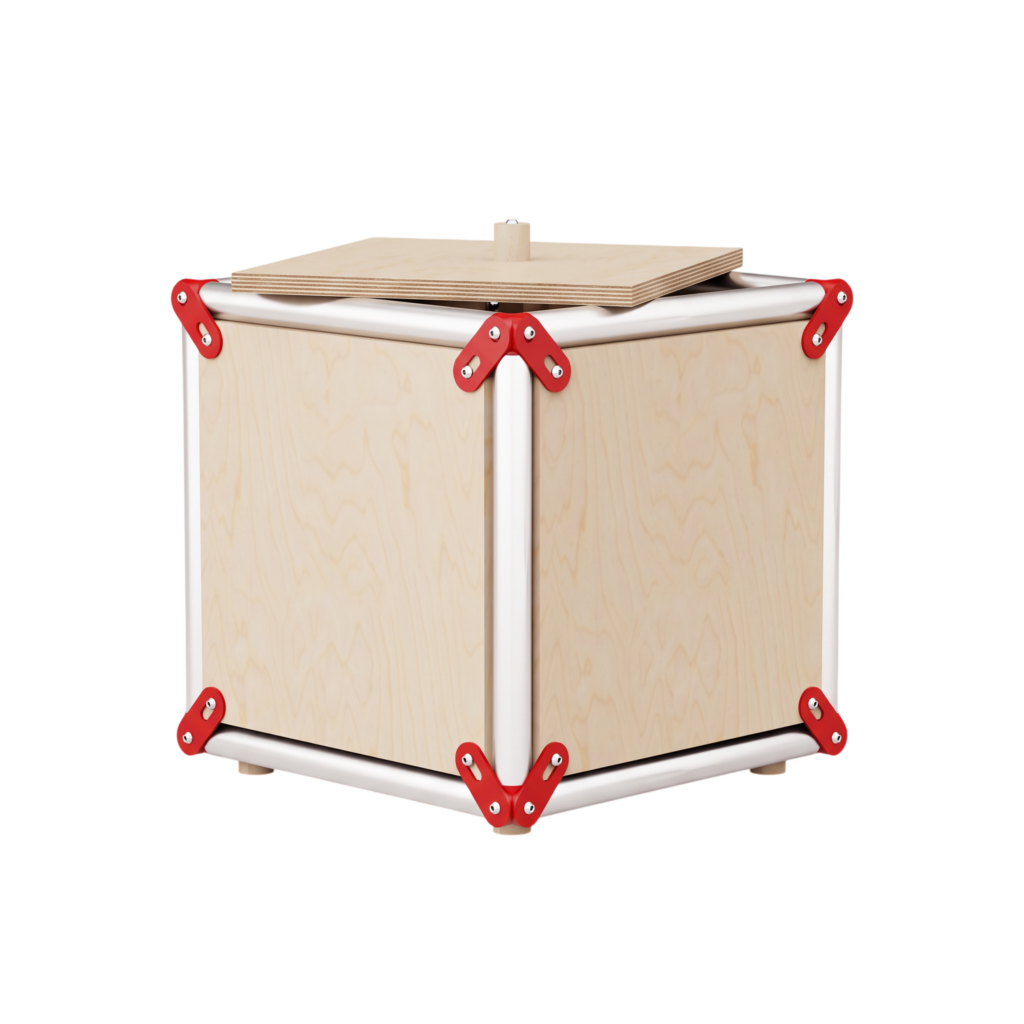
Small Node Box .nd55_
MODEL+
This set has more than one model. Not all parts in the list are required to assemble each version.
MODEL+ This set has more than one model. Not all parts in the list are required to assemble each version.
ASSEMBLY+ There is more than one way to assemble this model. Some parts are interchangeable. Not every part in the list ist required for each way.
*
Set info
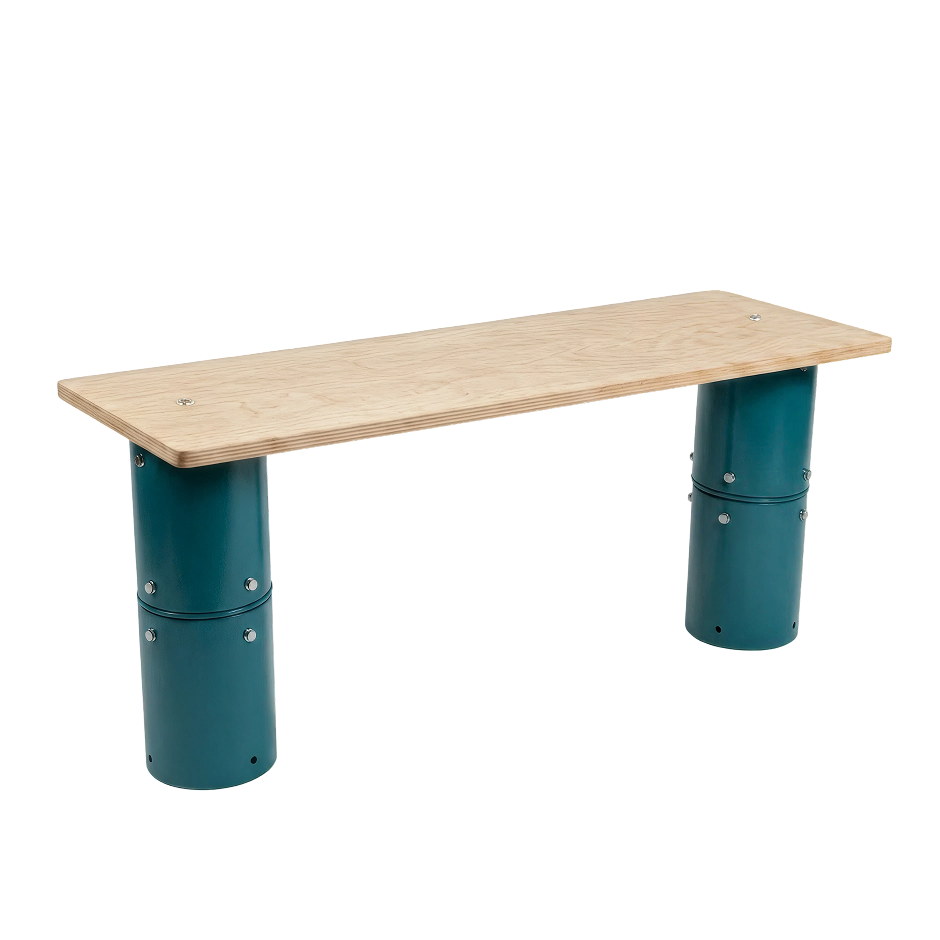
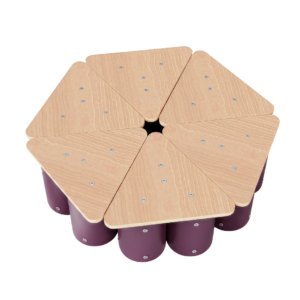
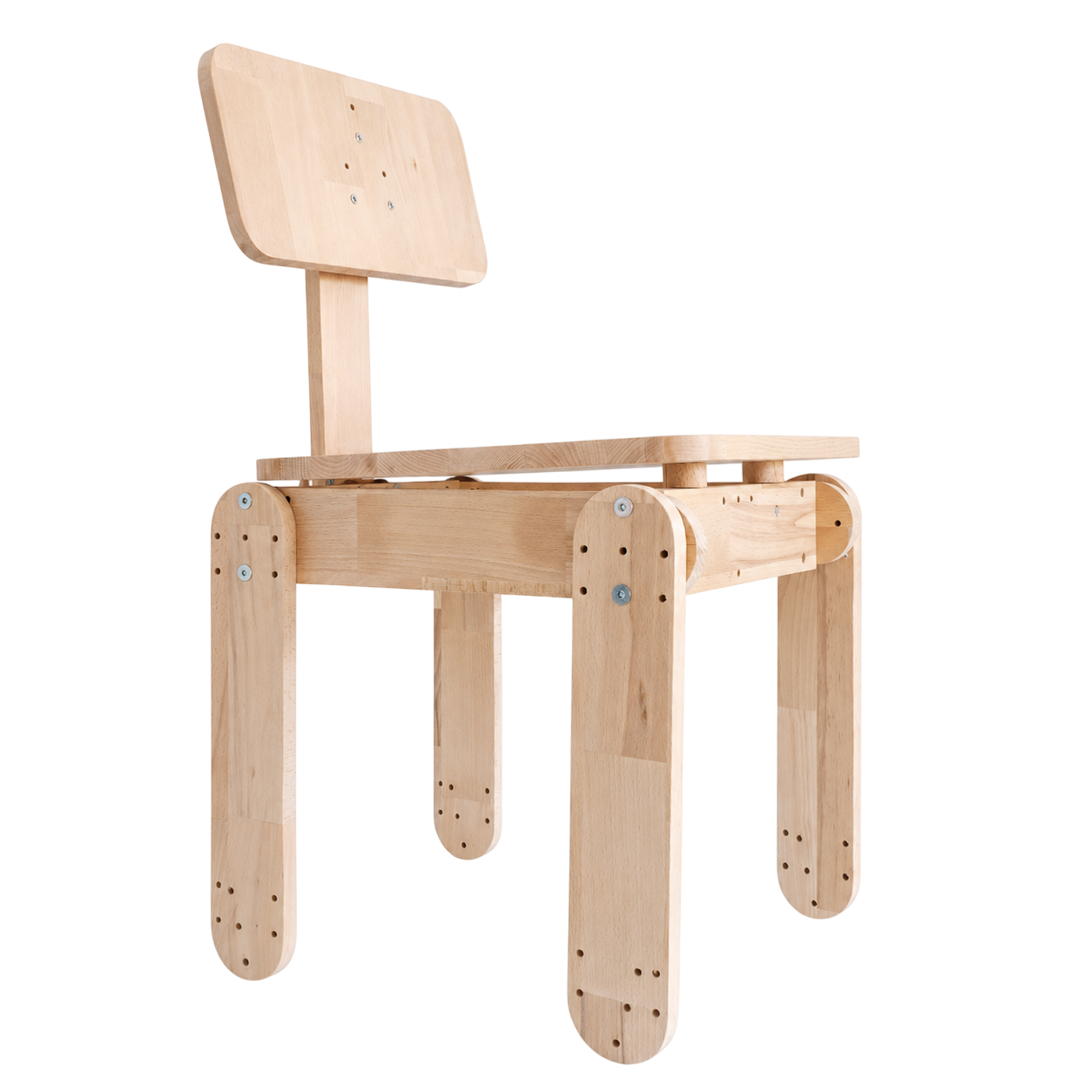
‘WORMS‘ is a collection of modular open design chairs that will try to collapse when a fascist ass sits on them.
Created by
Status
- Functional Prototype
Assembly instructions:
- No instructions were created for this set. It should be possible to figure out the assembly just from the parts. If you get stuck, please reach out to Ikego.World for additional help.
Buy from
In short? With
Explanation:
Ikego is not about objects, but about the parts you build them from. We search for highly universal parts that can be creatively reused and recombined in many ways for many objects.
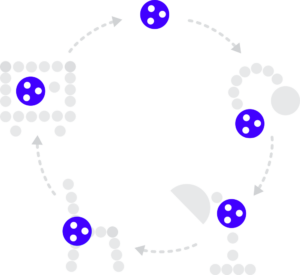

Many ore maybe ♾️ objects from just a couple of parts?
This is the Ikego experiment.
We use construction toy systems as a metaphor because they are simple and easy to understand, which enables creative expression and collaboration. The brick system perfected by the LEGO company or erector sets come to mind as examples.
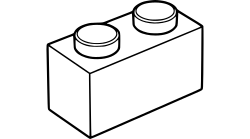
… a wall, a door, ⟳ a face, pavement, ⟳ a flower pot, a bucket …
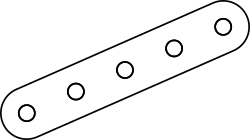
… a wall, a leg, a pillar, a chassis, a screen, a handle …
„There is no trash in a LEGO room.“ Neil Gershenfeld (MIT, Center for bits and atoms), source
✼
How to create them? Here is one possible way:
▷ 1 Start with the object you want to build. Create a useful solution. And make sure your parts work for it.
Experiments with the Ikego system go back quite a while. In the beginning, we tried to create multipurpose parts first – we guessed – and then tried to build objects with them. That approach failed. The parts weren’t useful, the objects didn’t work. We only made progress once we flipped the process—starting with the objects and deriving the parts from them. For us, starting with the parts simply didn’t work. While this may not be a strict rule for everyone, it’s a perspective maybe worth considering.
↓
▷ 2 Find at least two alternate use cases for each part used. If you can’t find any, redesign the part until you can, and go back to step 1 ↑.
There is a famous story from the LEGO design department. When designer Mike Psiaki was tasked with designing the Porsche model (10295), he struggled to perfectly capture the curve at the rear end using existing LEGO parts. The element designer Yoel Mazur suggested introducing a new part into the catalog specifically for this purpose. However, Mike Psiaki was determined to find a solution using existing pieces. Despite this, the element designer created a new part anyway, which indeed solved the problem perfectly. Subsequently, all designers in the department were given time to play with this new part to see if there were any good ‘nice part usages’ (alternative applications) for it. At LEGO, before a new piece is approved for production, it has to demonstrate its ‘system-wide’ value, ensuring it isn’t just a specialized solution for one specific car. They tested if it is truly a multipurpose part. The result was a clear yes! Following this test, the part made it into the system. Today, there are indeed many applications for it.
✼
When you introduce new parts and perhaps new ways to connect them, try to find solutions that open new lanes for the overall flexibility of the system. Ideally you find something that works well in combination with existing parts. Tolerance is key. If something requires specific diameters or dimensions that cannot be replicated with hand tools, it is a slight disadvantage. However, this is not a dealbreaker. In such cases, try to use solutions that already exist on the market and are widely used → Hack Into Existing Systems! Ideally, these are common, easily accessible, standardized, well-documented, and already open (with expired patents). – Ikego is not about reinventing the wheel. It’s about finding wheels that fit.
–
That’s it!
Btw. if you want to learn more, we also shared a white paper about design with multipurpose parts.
🌱
Set 39. Created by: Olga Okotschka
This set is part of Ikegos Node World. A subsystem within Ikego.
Build this set
Parts appearing in this set
142.6 – Board 330x330mm, ⌀10mm holes
142.4 – Board 330x330mm, ⌀6mm holes
141.1 – Rail ~73x30x2mm
135.1 – 5 corner bracket Round
095.6 – 330mm rod with M6 insert threads, ⌀ ~30mm, “elephant rod”
095.1 – 30mm rod M6 insert, ⌀ ~30mm, “elephant rod”
094.4 – M6 threaded rod 30mm
089.1 – M6 nut
088.2 – M6 sleeve nut ~16mm
087.1 – M6 washer 20mm
082.1 – M6 bolt 50mm
072.1 – Spacer ~15mm high
030.2 – M6 bolt 15mm
Small Node Box .nd55_
MODEL+
This set has more than one model. Not all parts in the list are required to assemble each version.
MODEL+ This set has more than one model. Not all parts in the list are required to assemble each version.
ASSEMBLY+ There is more than one way to assemble this model. Some parts are interchangeable. Not every part in the list ist required for each way.
*
Set info
‘WORMS‘ is a collection of modular open design chairs that will try to collapse when a fascist ass sits on them.
Created by
Status
- Functional Prototype
Assembly instructions:
- No instructions were created for this set. It should be possible to figure out the assembly just from the parts. If you get stuck, please reach out to Ikego.World for additional help.
Buy from
In short? With
Explanation:
Ikego is not about objects, but about the parts you build them from. We search for highly universal parts that can be creatively reused and recombined in many ways for many objects.
Many ore maybe ♾️ objects from just a couple of parts?
This is the Ikego experiment.
We use construction toy systems as a metaphor because they are simple and easy to understand, which enables creative expression and collaboration. The brick system perfected by the LEGO company or erector sets come to mind as examples.
… a wall, a door, ⟳ a face, pavement, ⟳ a flower pot, a bucket …
… a wall, a leg, a pillar, a chassis, a screen, a handle …
„There is no trash in a LEGO room.“ Neil Gershenfeld (MIT, Center for bits and atoms), source
✼
How to create them? Here is one possible way:
▷ 1 Start with the object you want to build. Create a useful solution. And make sure your parts work for it.
Experiments with the Ikego system go back quite a while. In the beginning, we tried to create multipurpose parts first – we guessed – and then tried to build objects with them. That approach failed. The parts weren’t useful, the objects didn’t work. We only made progress once we flipped the process—starting with the objects and deriving the parts from them. For us, starting with the parts simply didn’t work. While this may not be a strict rule for everyone, it’s a perspective maybe worth considering.
↓
▷ 2 Find at least two alternate use cases for each part used. If you can’t find any, redesign the part until you can, and go back to step 1 ↑.
There is a famous story from the LEGO design department. When designer Mike Psiaki was tasked with designing the Porsche model (10295), he struggled to perfectly capture the curve at the rear end using existing LEGO parts. The element designer Yoel Mazur suggested introducing a new part into the catalog specifically for this purpose. However, Mike Psiaki was determined to find a solution using existing pieces. Despite this, the element designer created a new part anyway, which indeed solved the problem perfectly. Subsequently, all designers in the department were given time to play with this new part to see if there were any good ‘nice part usages’ (alternative applications) for it. At LEGO, before a new piece is approved for production, it has to demonstrate its ‘system-wide’ value, ensuring it isn’t just a specialized solution for one specific car. They tested if it is truly a multipurpose part. The result was a clear yes! Following this test, the part made it into the system. Today, there are indeed many applications for it.
✼
When you introduce new parts and perhaps new ways to connect them, try to find solutions that open new lanes for the overall flexibility of the system. Ideally you find something that works well in combination with existing parts. Tolerance is key. If something requires specific diameters or dimensions that cannot be replicated with hand tools, it is a slight disadvantage. However, this is not a dealbreaker. In such cases, try to use solutions that already exist on the market and are widely used → Hack Into Existing Systems! Ideally, these are common, easily accessible, standardized, well-documented, and already open (with expired patents). – Ikego is not about reinventing the wheel. It’s about finding wheels that fit.
–
That’s it!
Btw. if you want to learn more, we also shared a white paper about design with multipurpose parts.
🌱
Parts

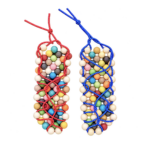
146.1 – Key ring ⌀ 38mm
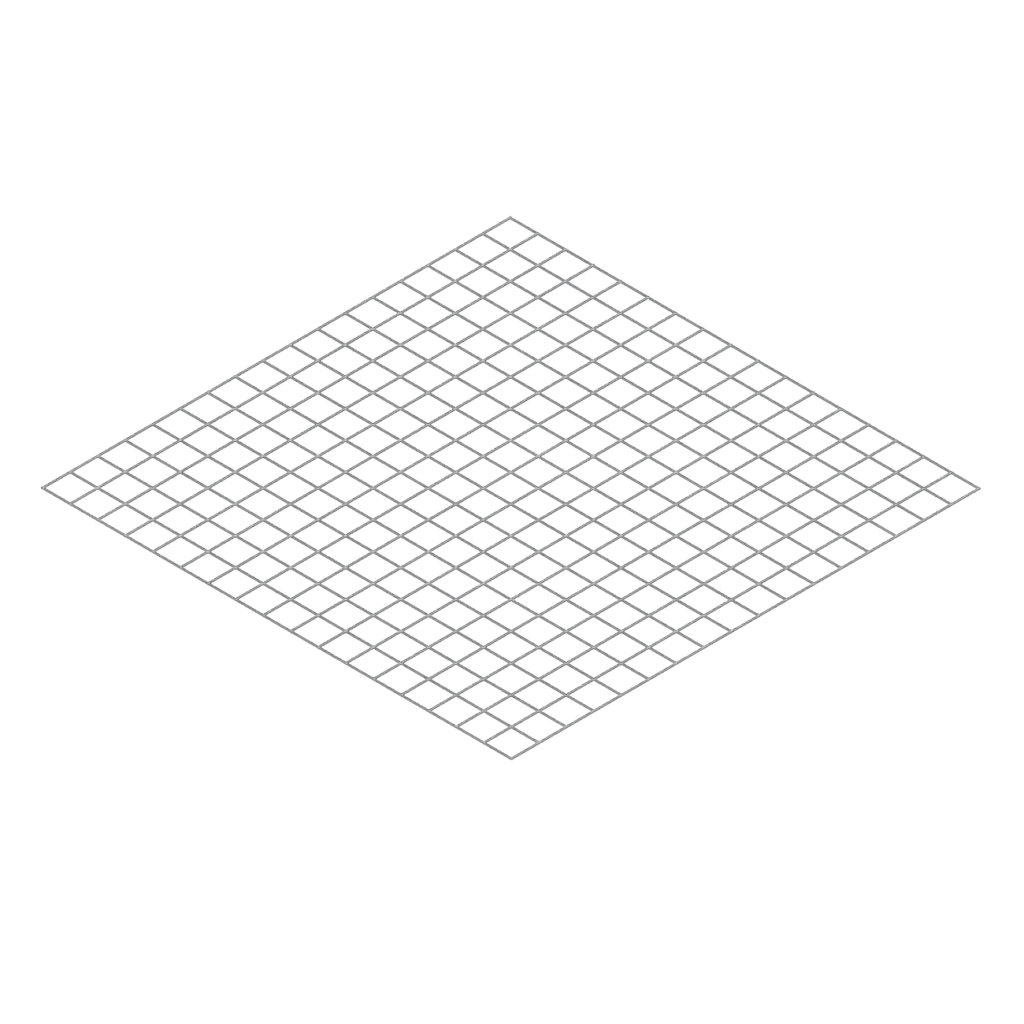
143.1 – Wire mesh, bendable, 330x330mm
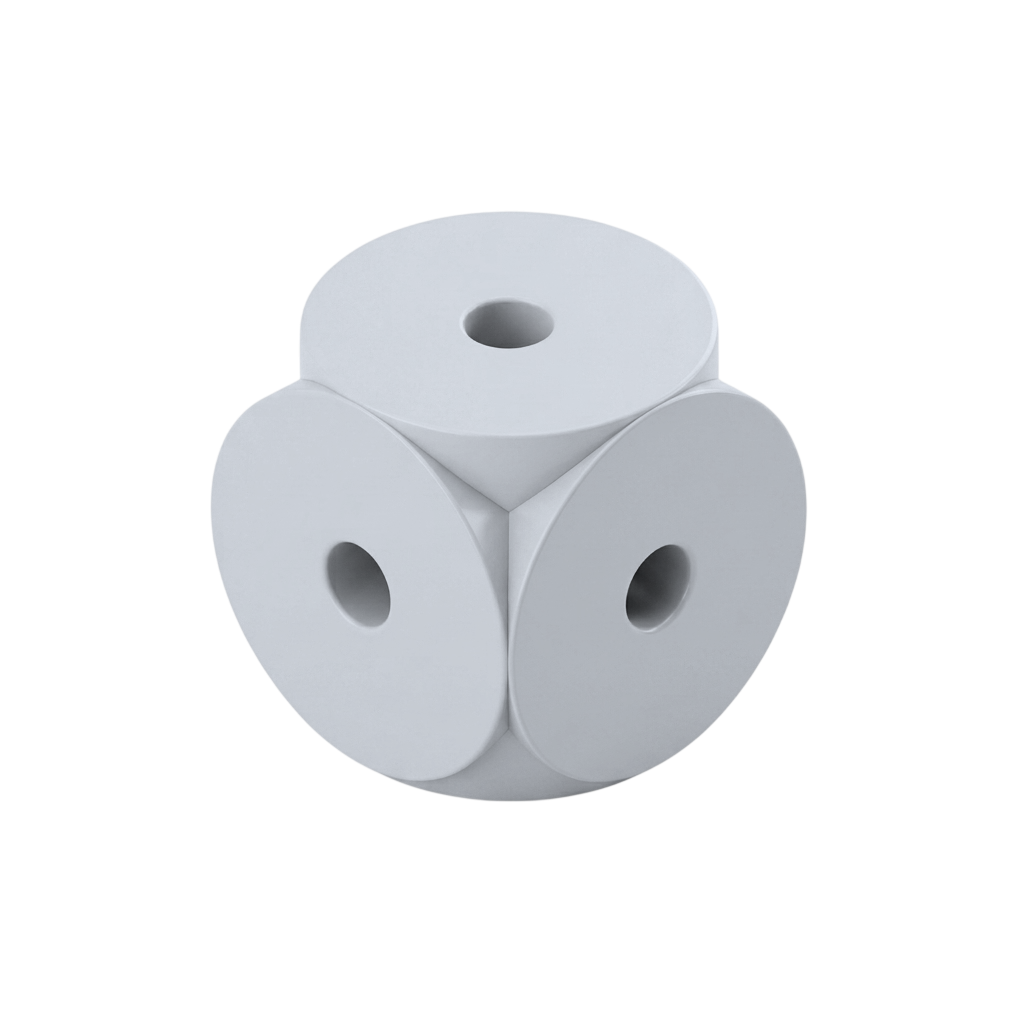
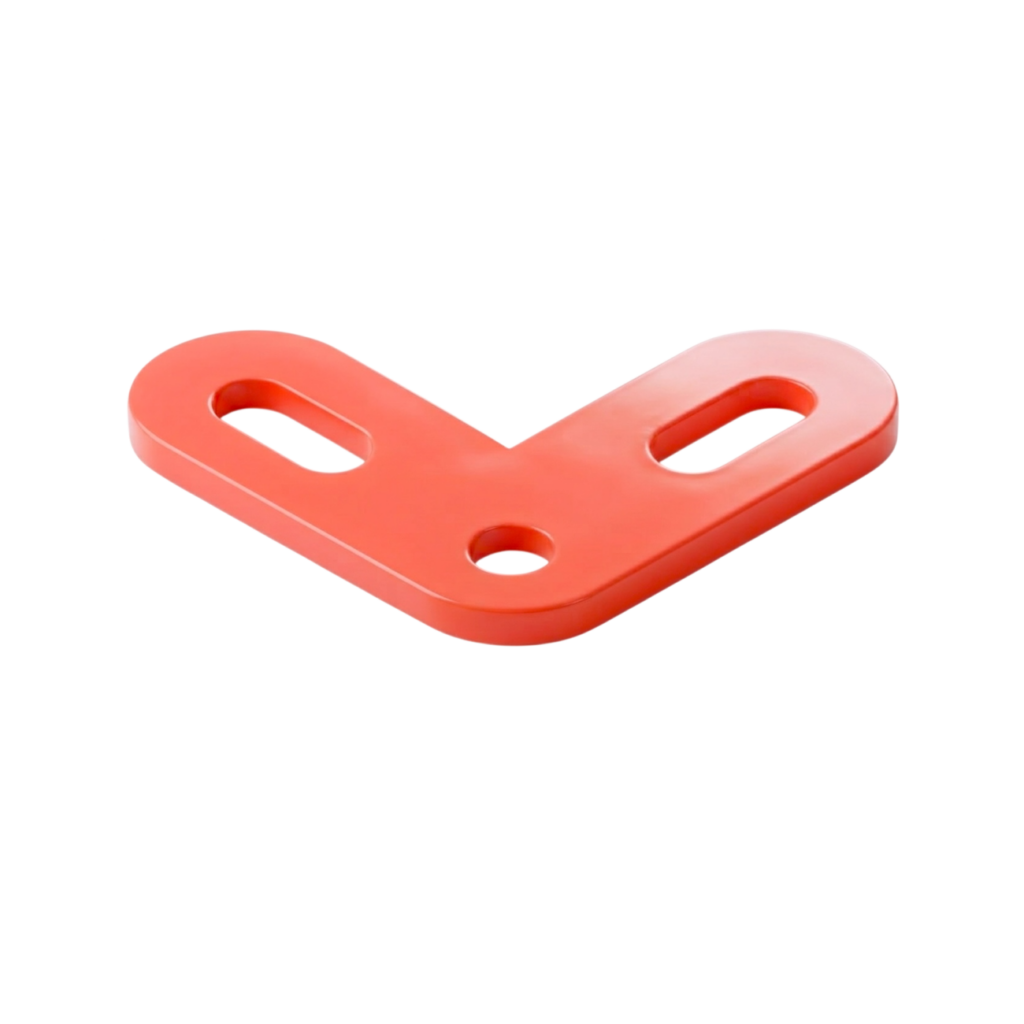
134.1 – 4 corner bracket Round
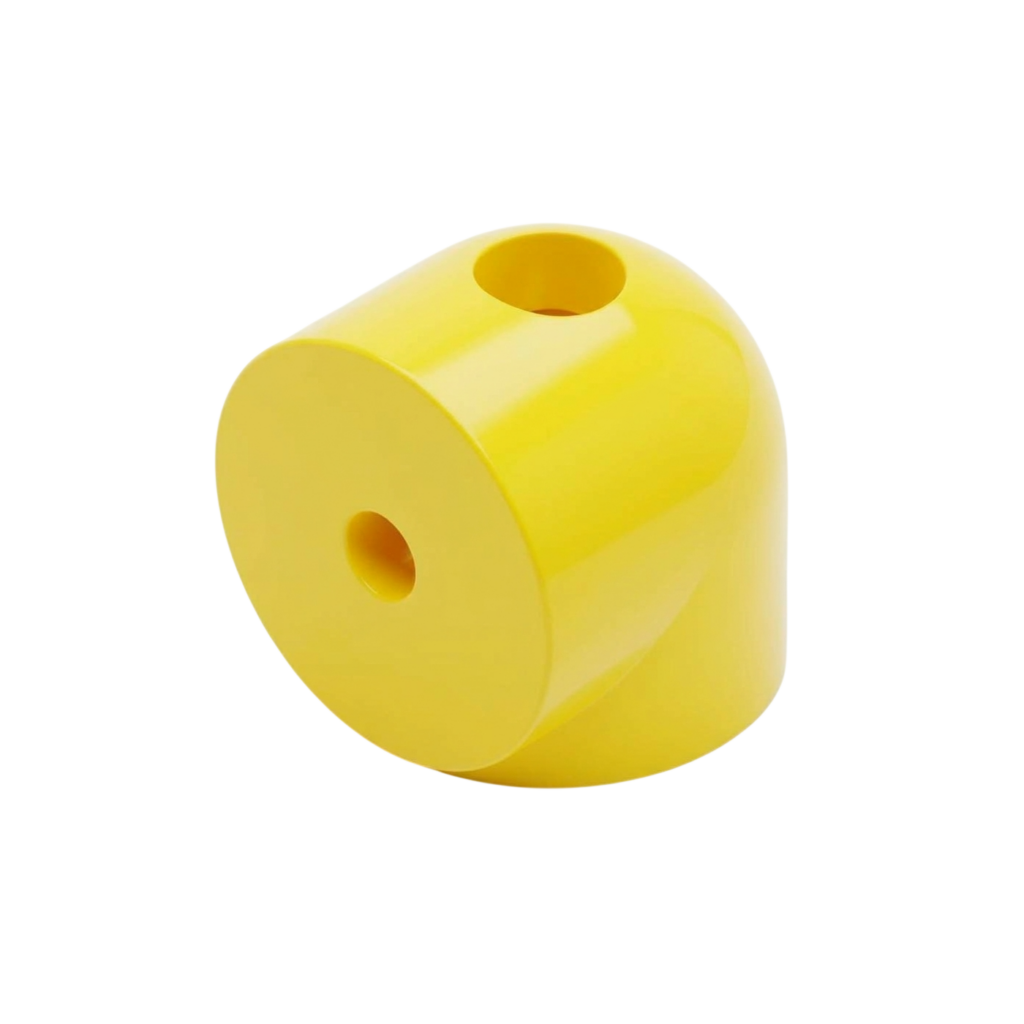
115.3 – 2 corner bracket modified Round +
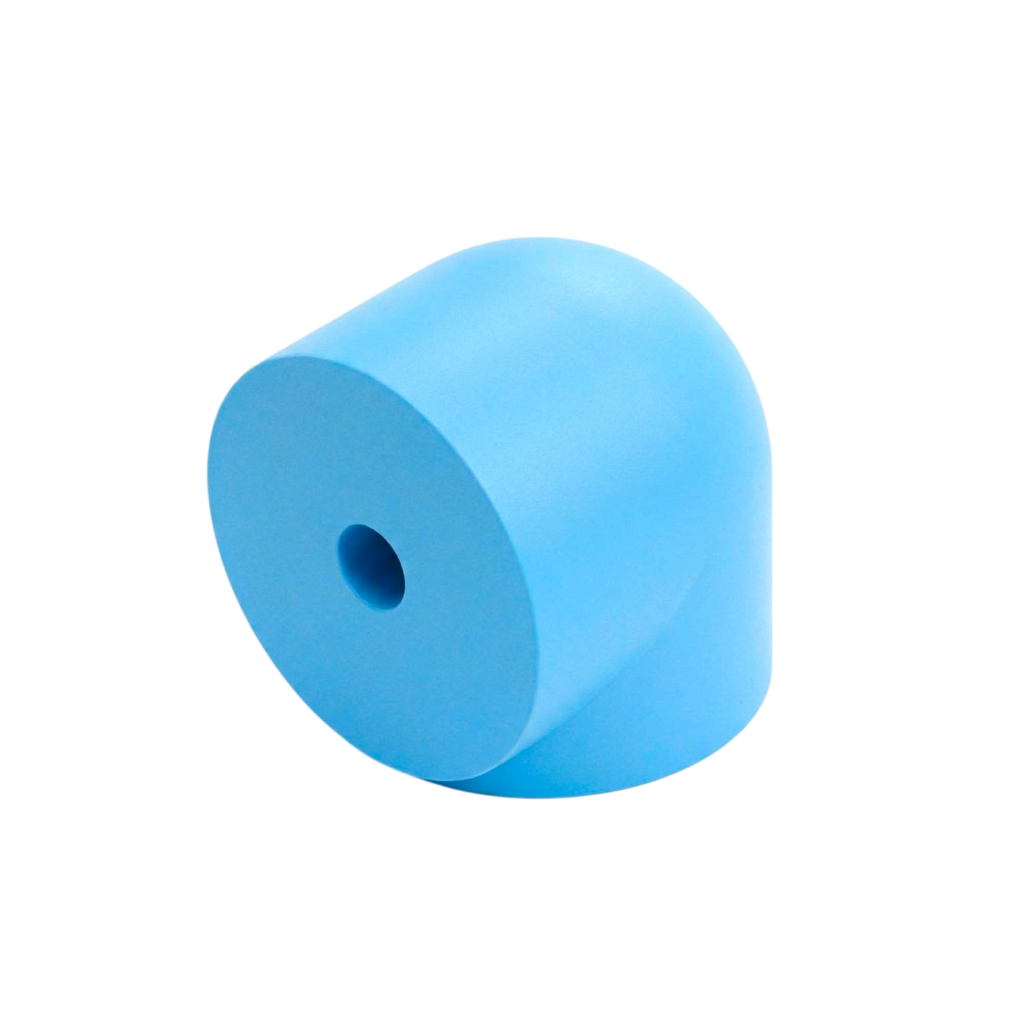
115.2 – 2 corner bracket modified Round, M6, 15mm to edge
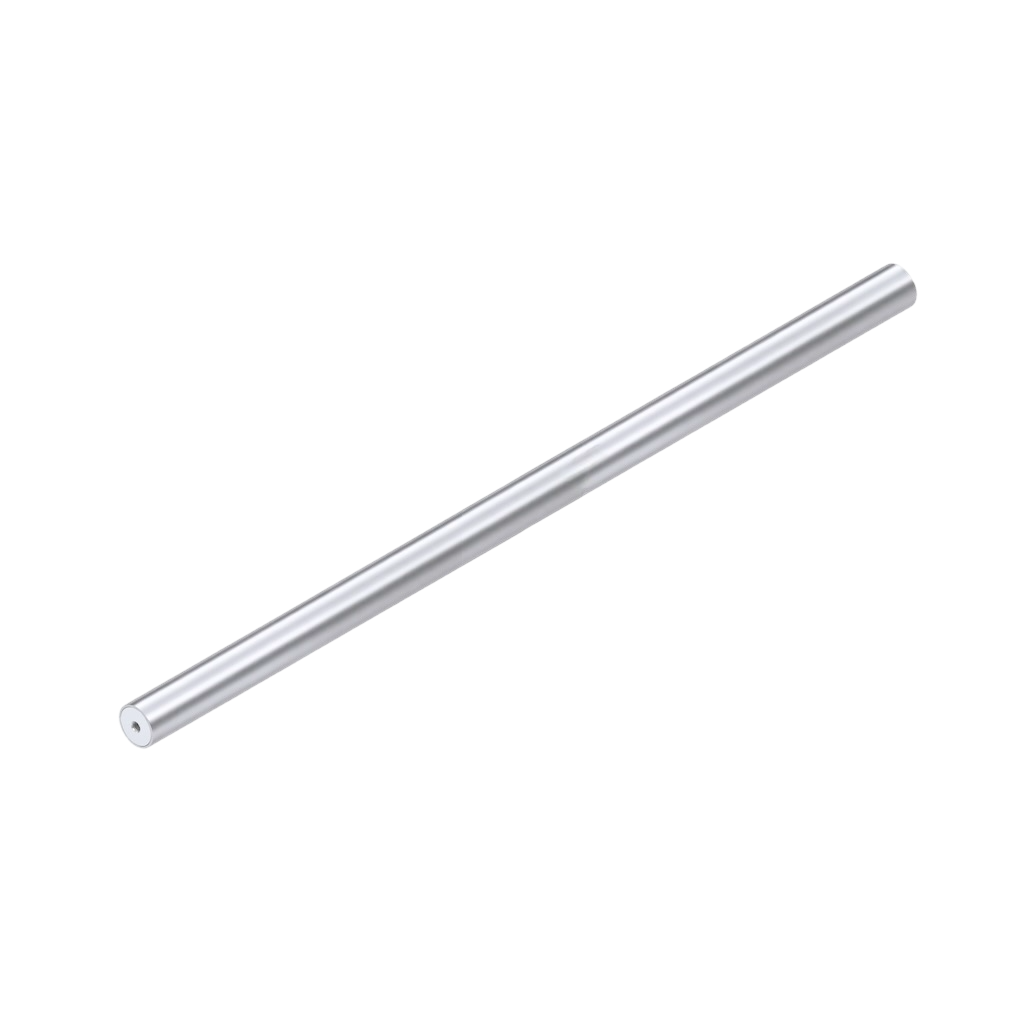
095.7 – 690mm rod with M6 insert threads, ⌀ ~30mm, “elephant rod”
095.6 – 330mm rod with M6 insert threads, ⌀ ~30mm, “elephant rod”
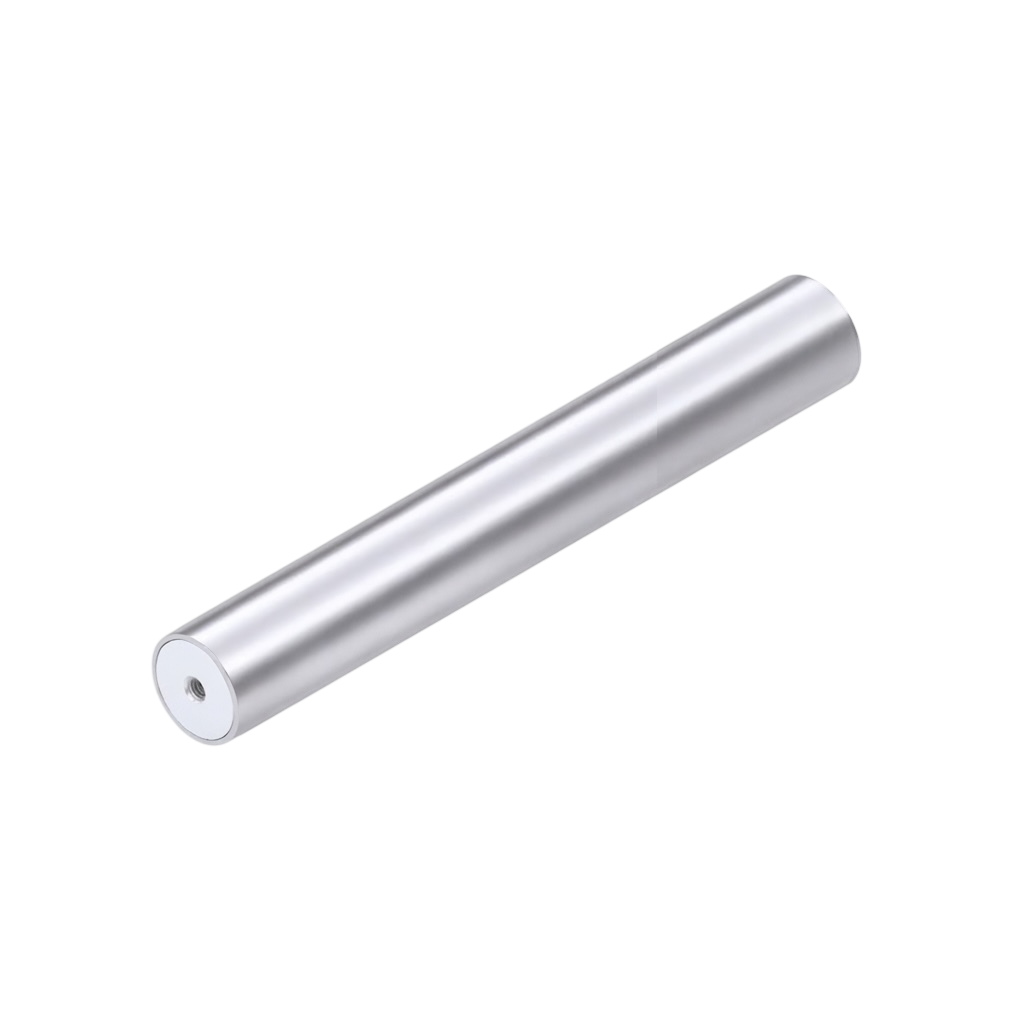
095.5 – 210mm rod with M6 insert threads, ⌀ ~30mm, “elephant rod”
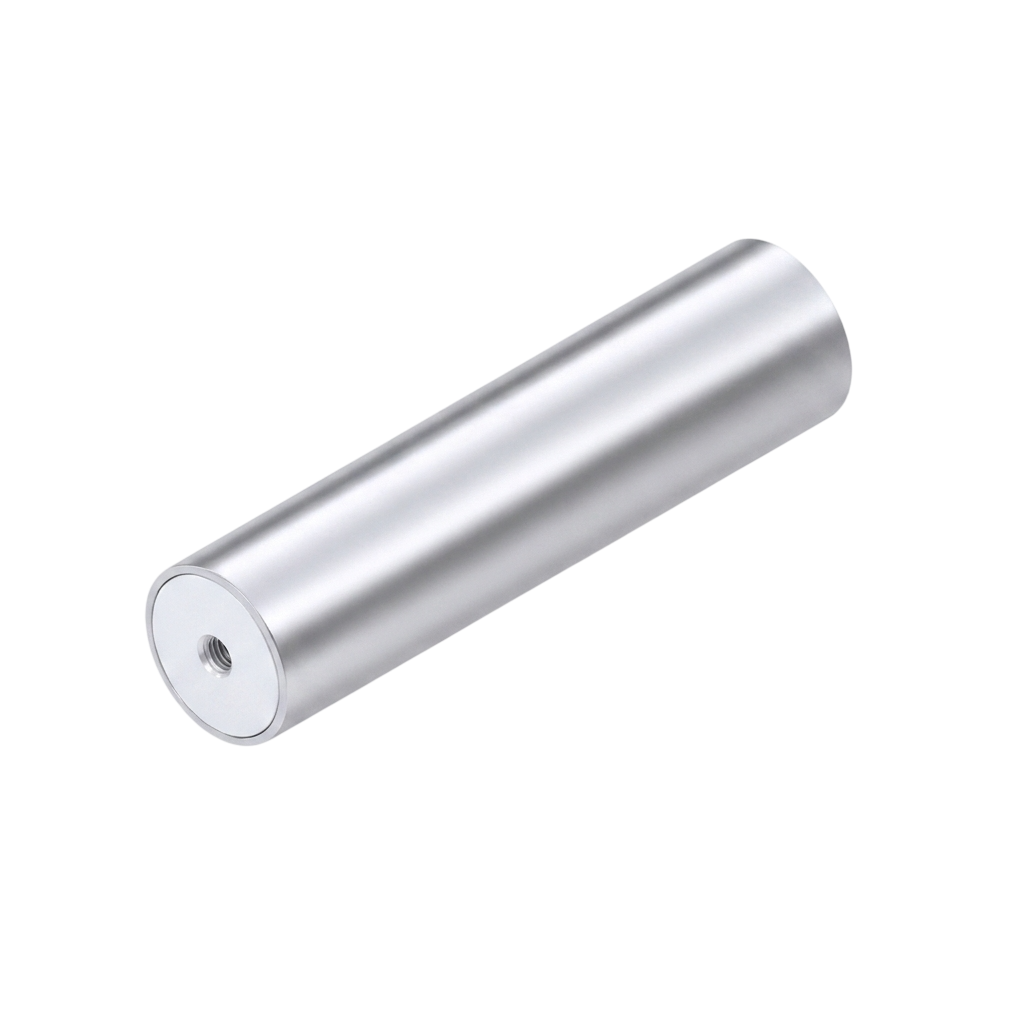
095.3 – 120mm rod with M6 insert threads, ⌀ ~30mm, “elephant rod”
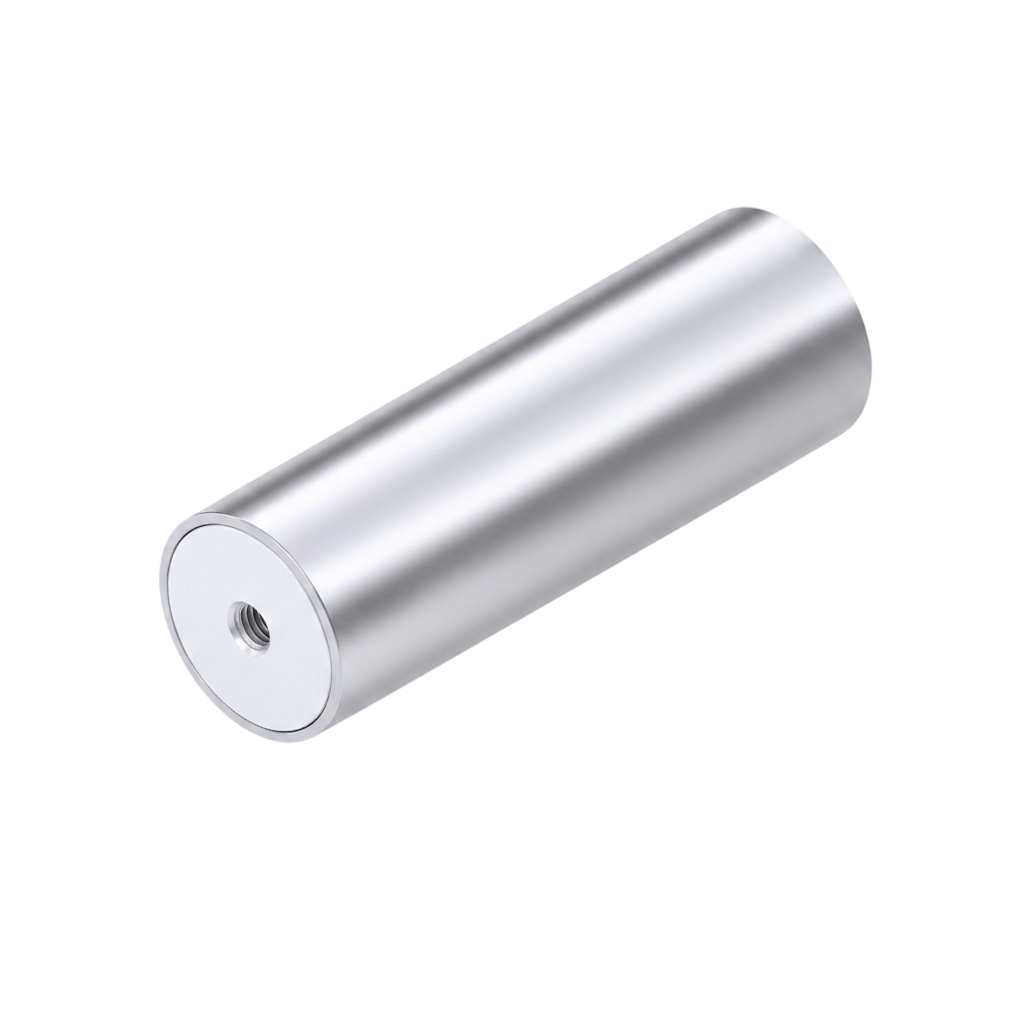
095.2 – 90mm rod with M6 insert threads, ⌀ ~30mm, “elephant rod”
094.4 – M6 threaded rod 30mm
082.1 – M6 bolt 50mm

Upstart .nd16_
MODEL+ This set has more than one model. Not all parts in the list are required to assemble each version.
ASSEMBLY+ There is more than one way to assemble this model. Some parts are interchangeable. Not every part in the list ist required for each way.
Shop here
Set info
More sets









#011

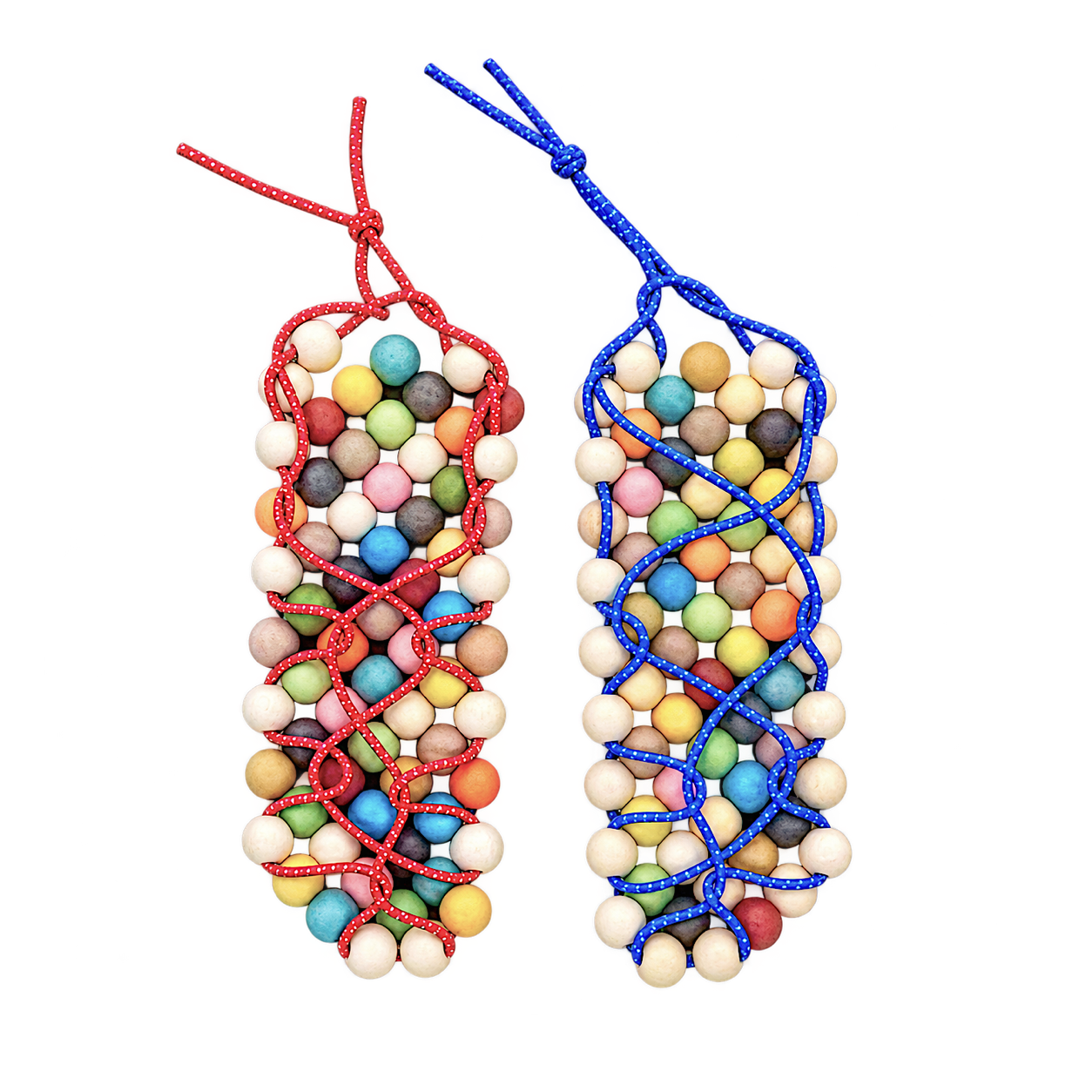
055.1 – Rubber band 300mm
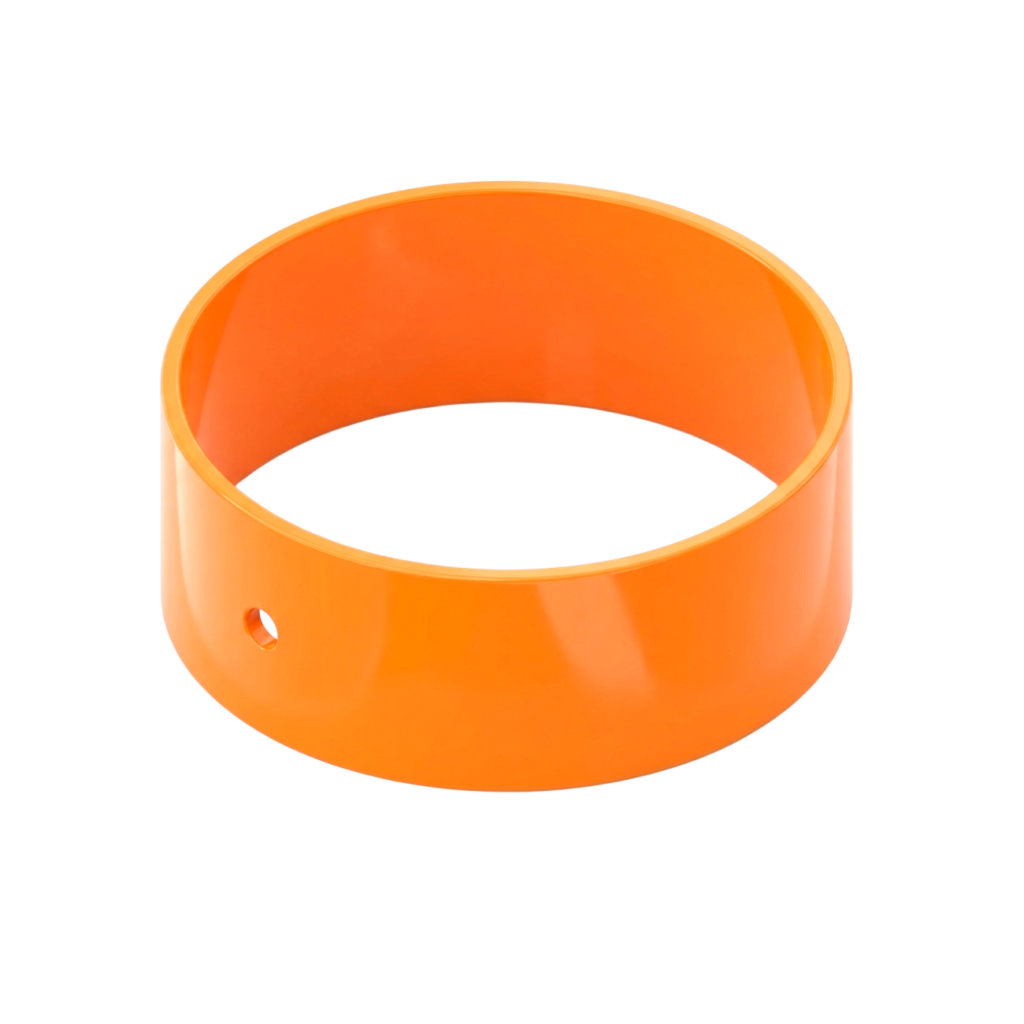
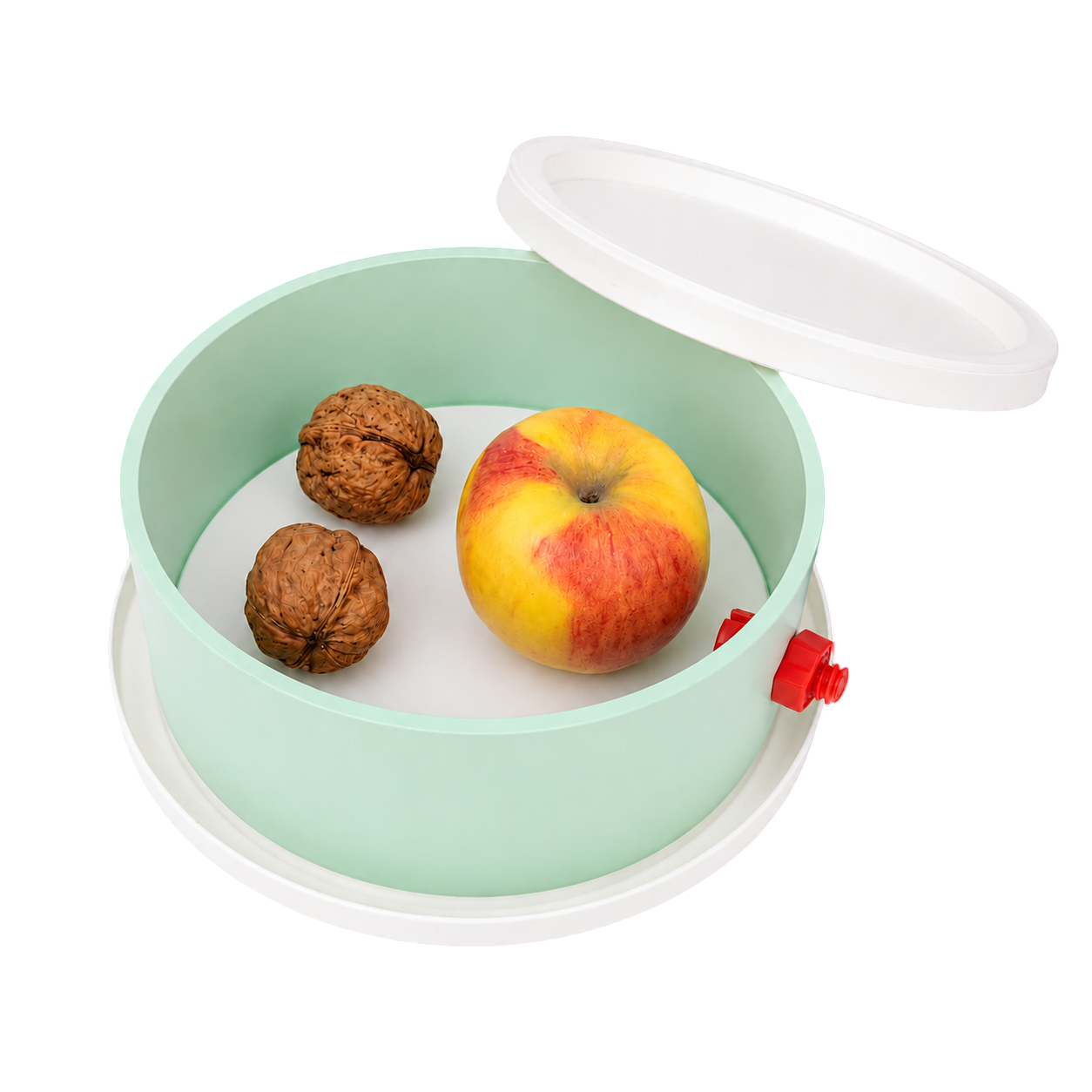
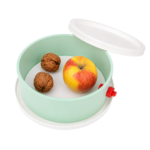
048.1 – Tube 60mm ⌀152mm
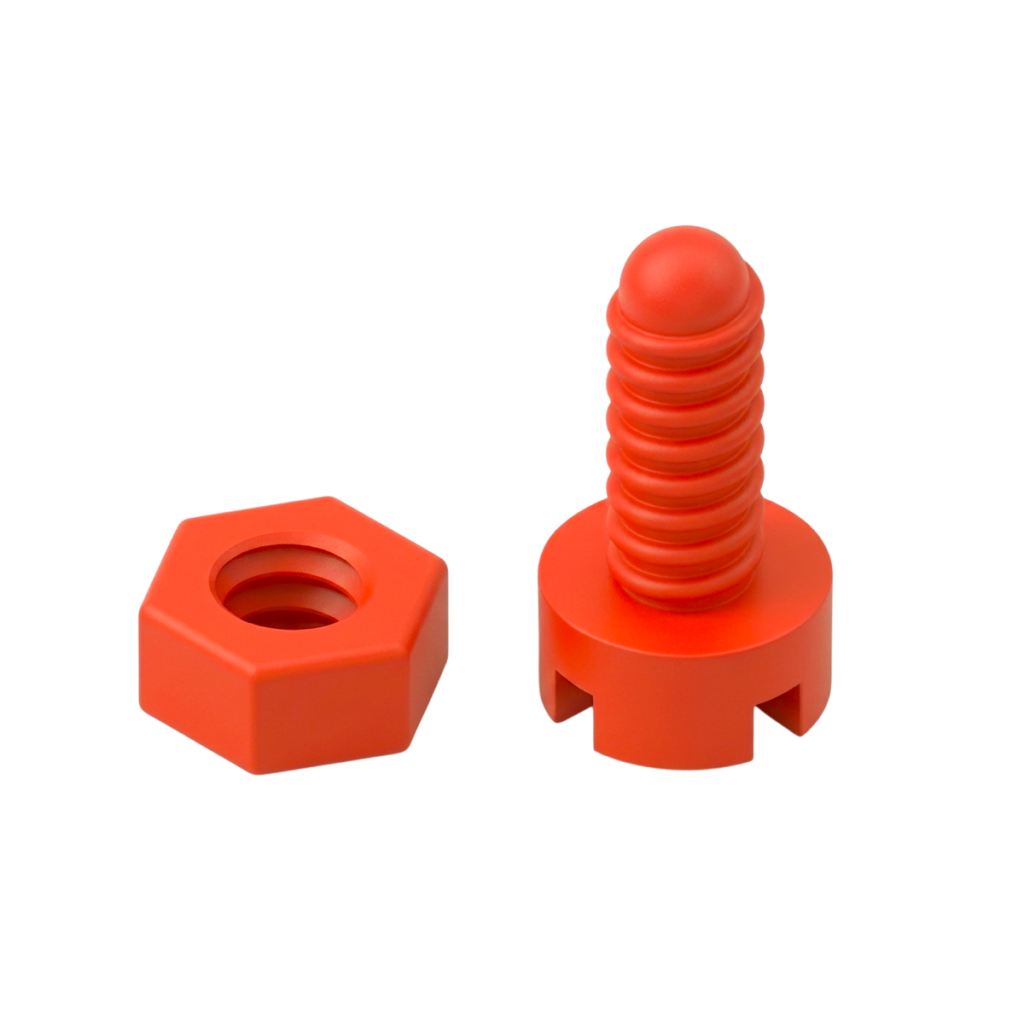
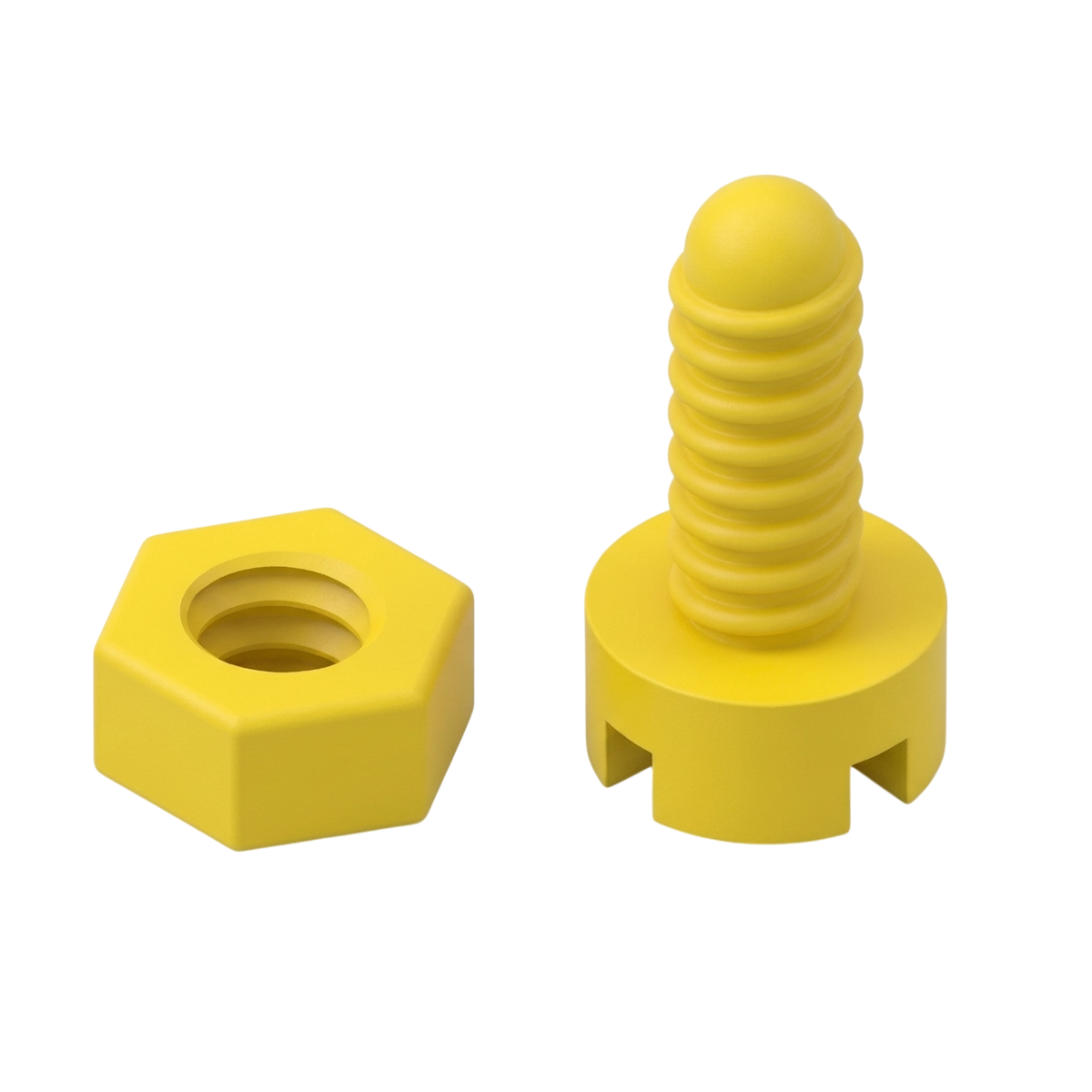
043.1 – Plastic nut & bolt ~30mm ⌀ 10mm
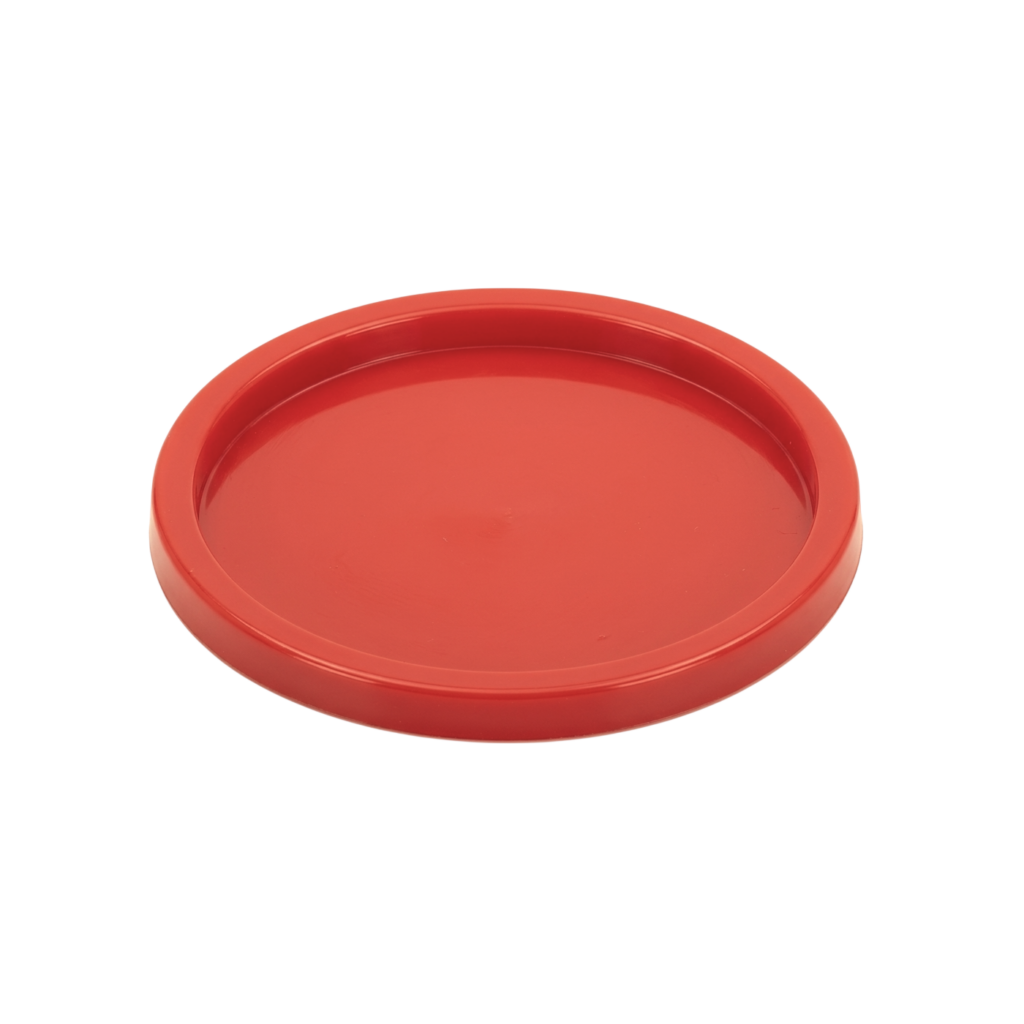
033.1 – Lid for ⌀ 152mm tubes – tight fit
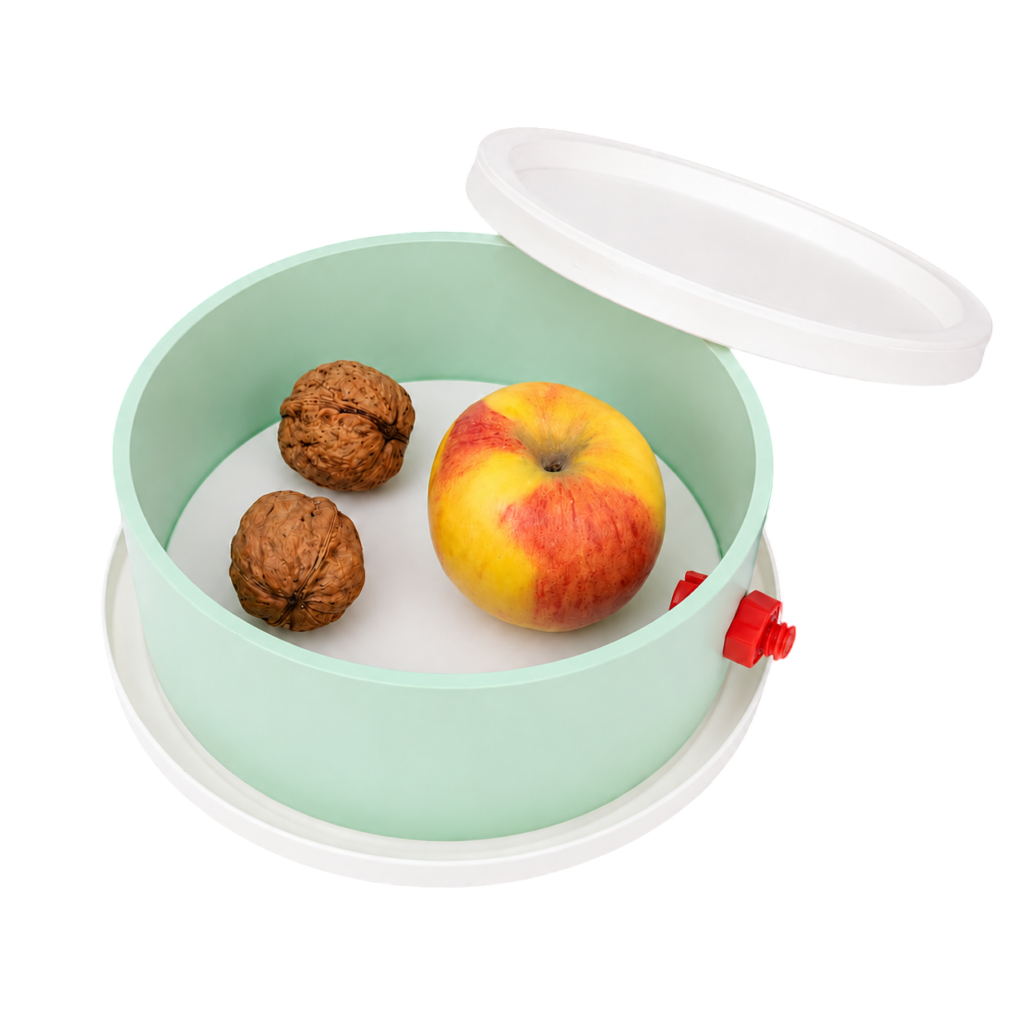
Dupi
MODEL+ This set has more than one model. Not all parts in the list are required to assemble each version.
ASSEMBLY+ There is more than one way to assemble this model. Some parts are interchangeable. Not every part in the list ist required for each way.
🛒 OFF THE SHELF
- No manufacturer yet. Sign up for updates. | Become a seller.
📍 A LOCAL CRAFT BUSINESS
- You can order this set as a local make ✔️
💚 BUILD IN A WORKSHOP
- Make this set from scratch. Create or book a workshop.
‘WORMS’ is a collection of modular open design chairs that will try to collapse when a fascist ass sits on them.
Status: Functional prototype.
Assembly instructions:
- No instructions were created for this set. It should be possible to figure out the assembly just from the parts. If you get stuck, please reach out to Ikego.World for additional help.
.
More sets